CONCLUSION
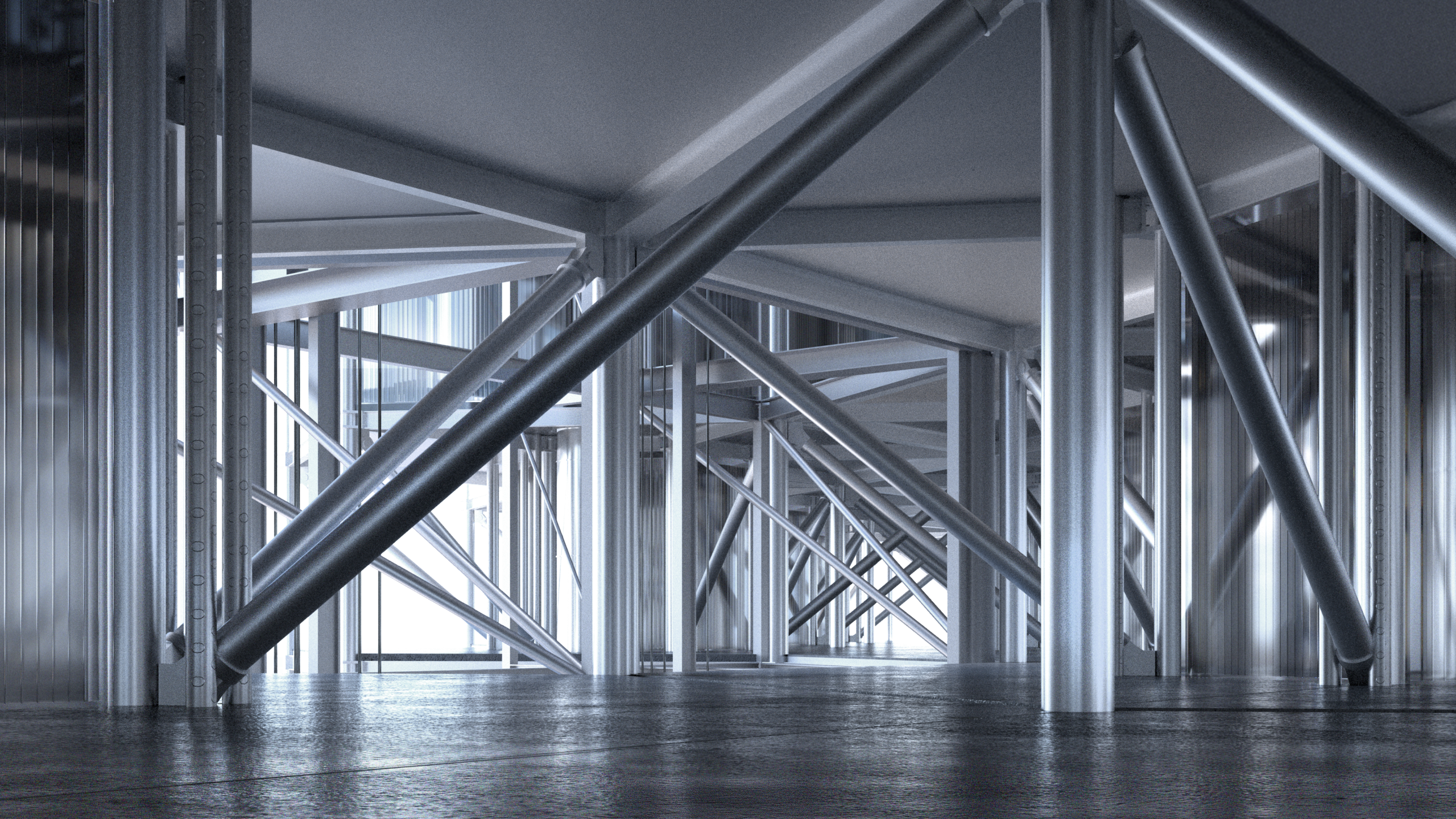
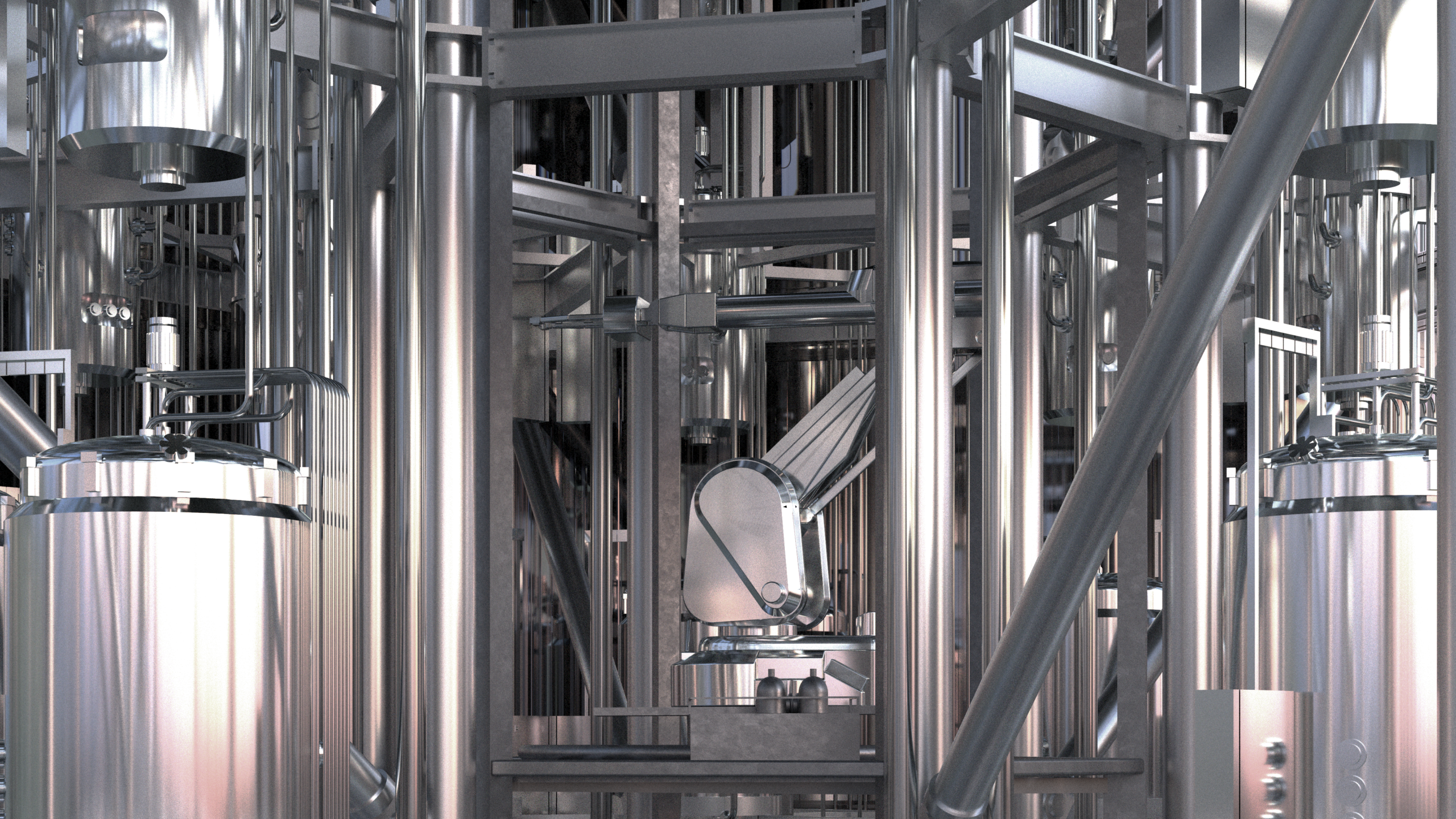
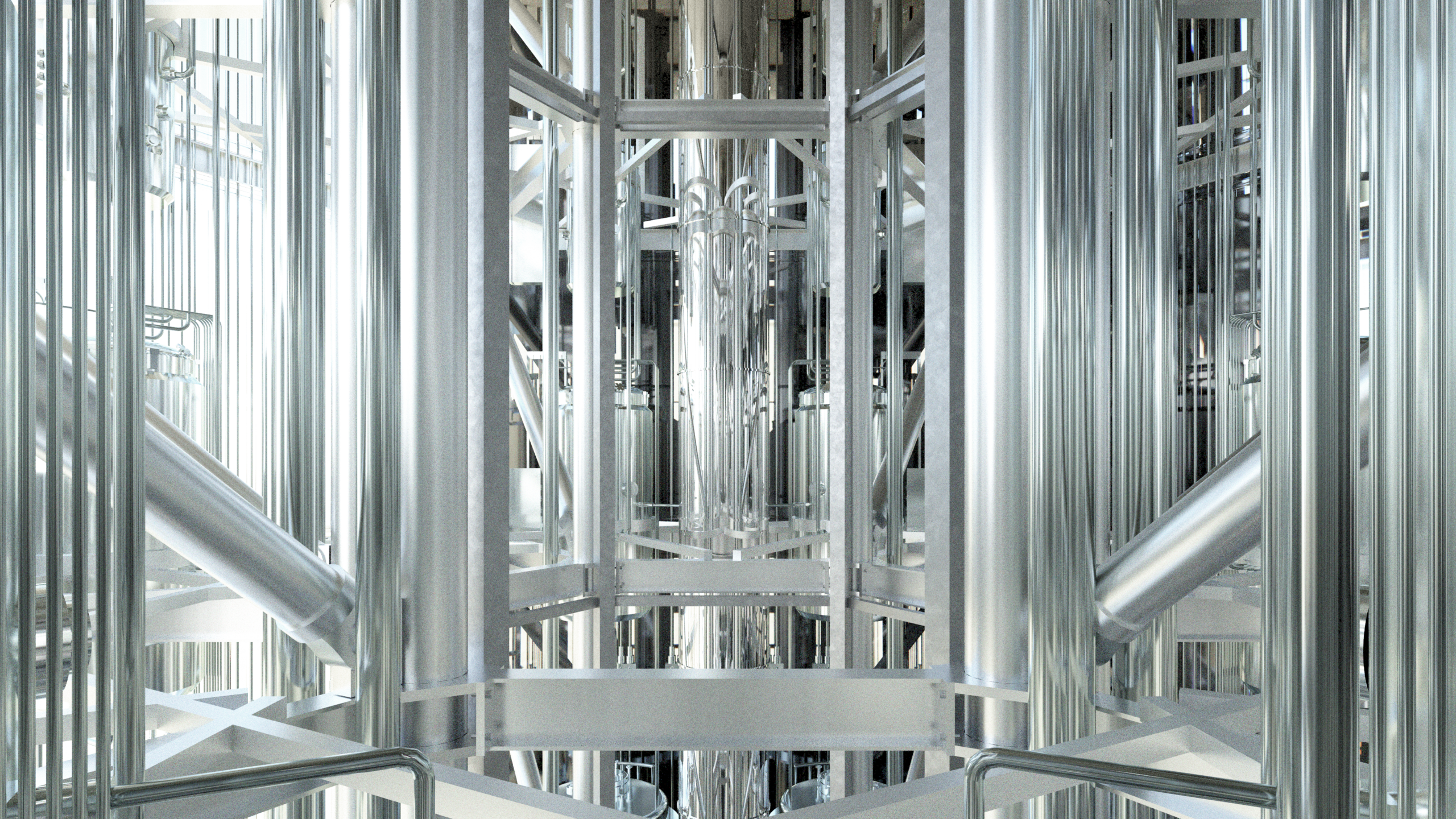
Even though the project at its core is still very human centric, as its function is carried out for the benefit of humans, as well as most of the critical programming and network infrastructure is supervised or created by humans, the space itself considers very little of the human dimensions, protesting the arrogant insertion of human requirements and traces in similar contexts, where it only obstructs the working of a mechanical system, leading to reduced speed and efficiency. The human being can move through the building, but in many instances, this interaction between the structure and the human has certain obstacles, as the priority is given to the machines. The structure does not obey the usual bargaining process, where the spaces are distributed and allocated between the humans and the machines, but rather functions as a sanctuary for the machine, where it may carry out its operations in the most unobstructive way possible.
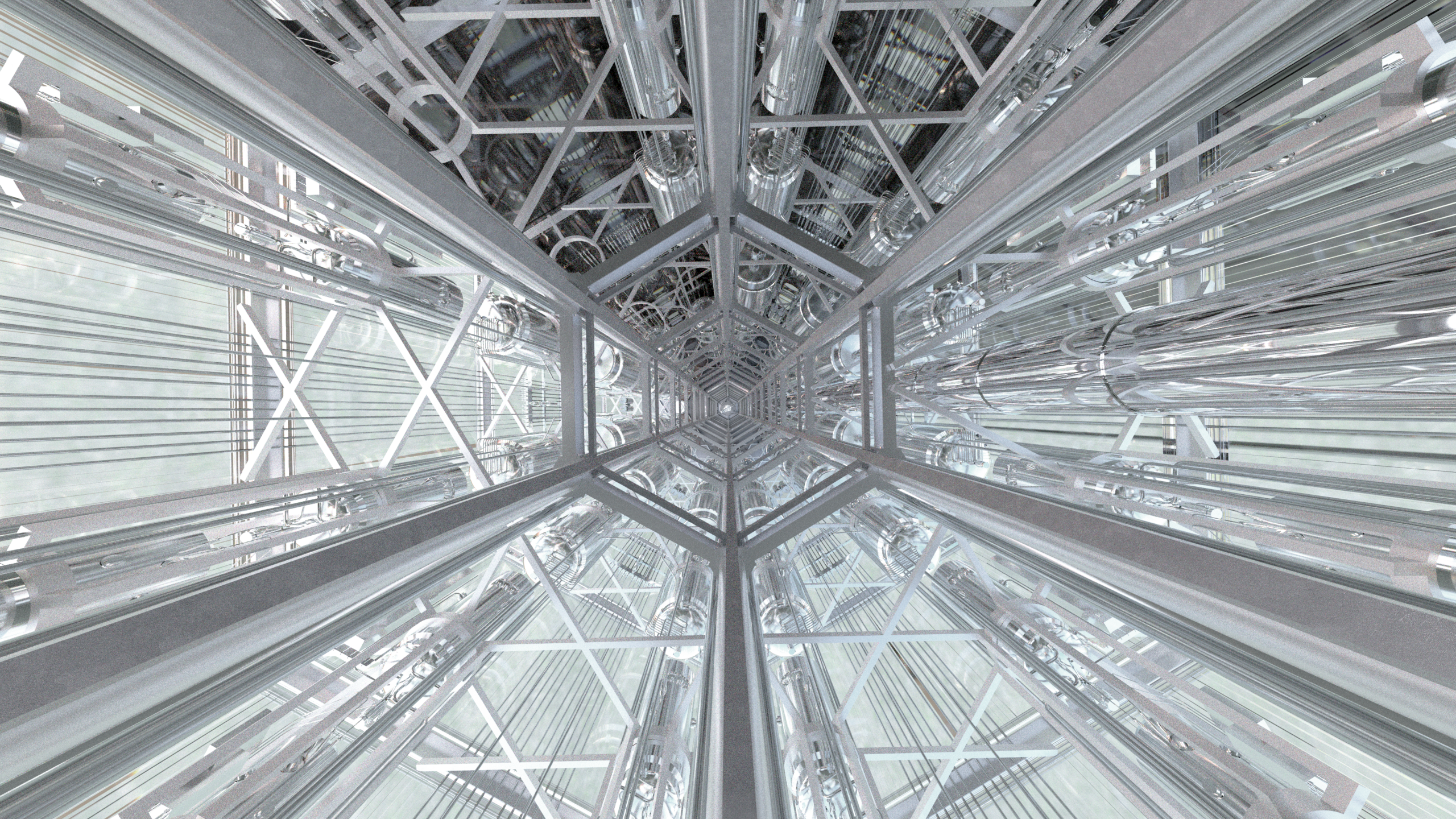
Through drawing on architectural references and instrumentalizations of the design, the created images produced a landscape that is a carefully designed interaction between the man-made and natural life forms, being true to its being and not fostering any illusion of pastoral untouched nature, which, due to the increase in human population, is impossible to achieve. It challenges the status quo, reorganizing the order and characteristics of space.
In the same way that the pastures of the past can be romanticized, there is a beauty in the technological vastness. The project attempts to create a longing towards the unknown future that is yet to come, and by using tools of architectural representation, it assures that it is within our capabilities to reach this future, which may be more generous to other species around us.