

THE BINARY GARDENS
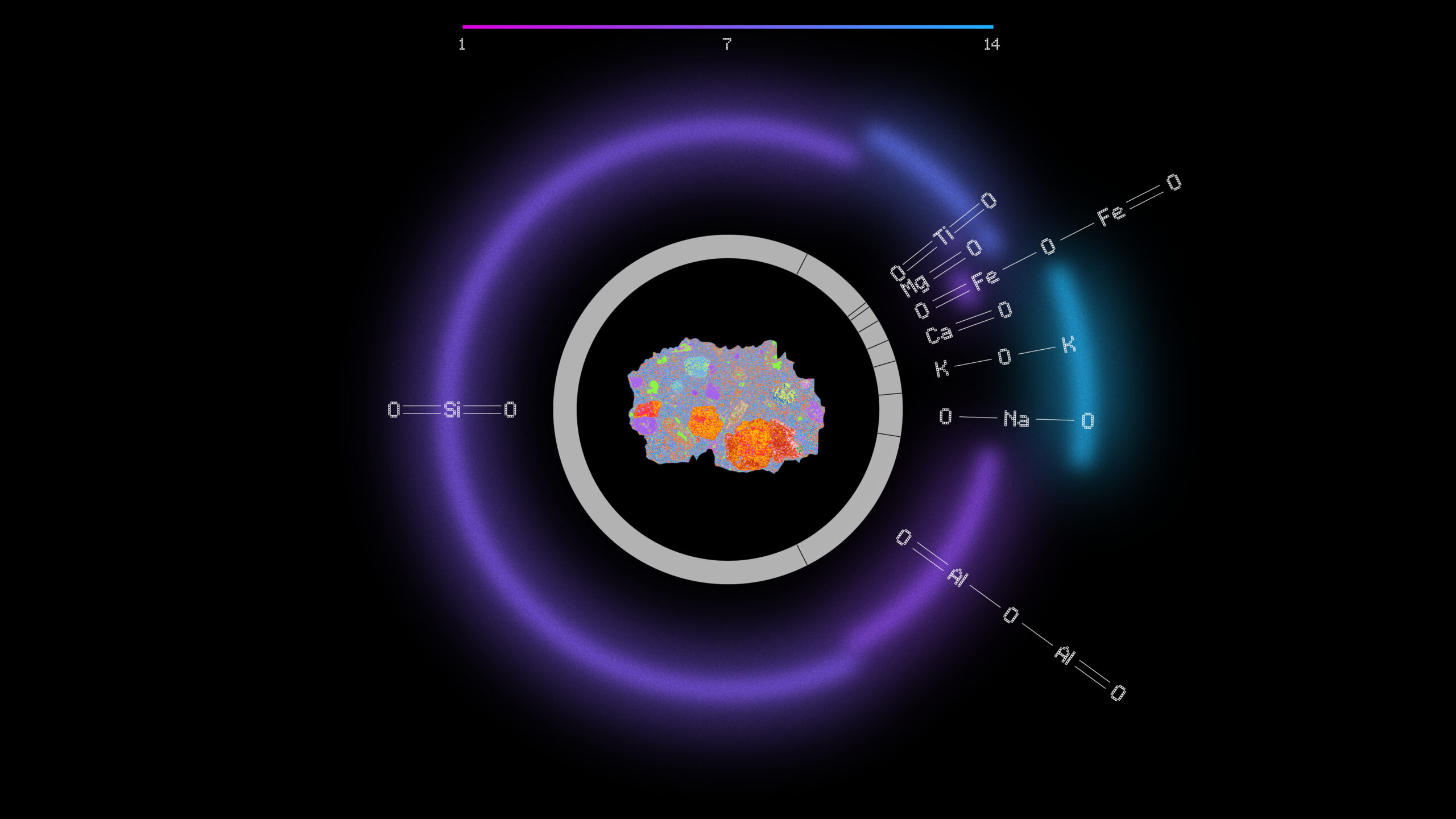
Looking more closely, it becomes productive to examine the chemical structure of dacite – the rock making up the geology of Ancon Hill. In reaction with water, it tends to lower acidity which becomes relevant when considering soil composition in the region.
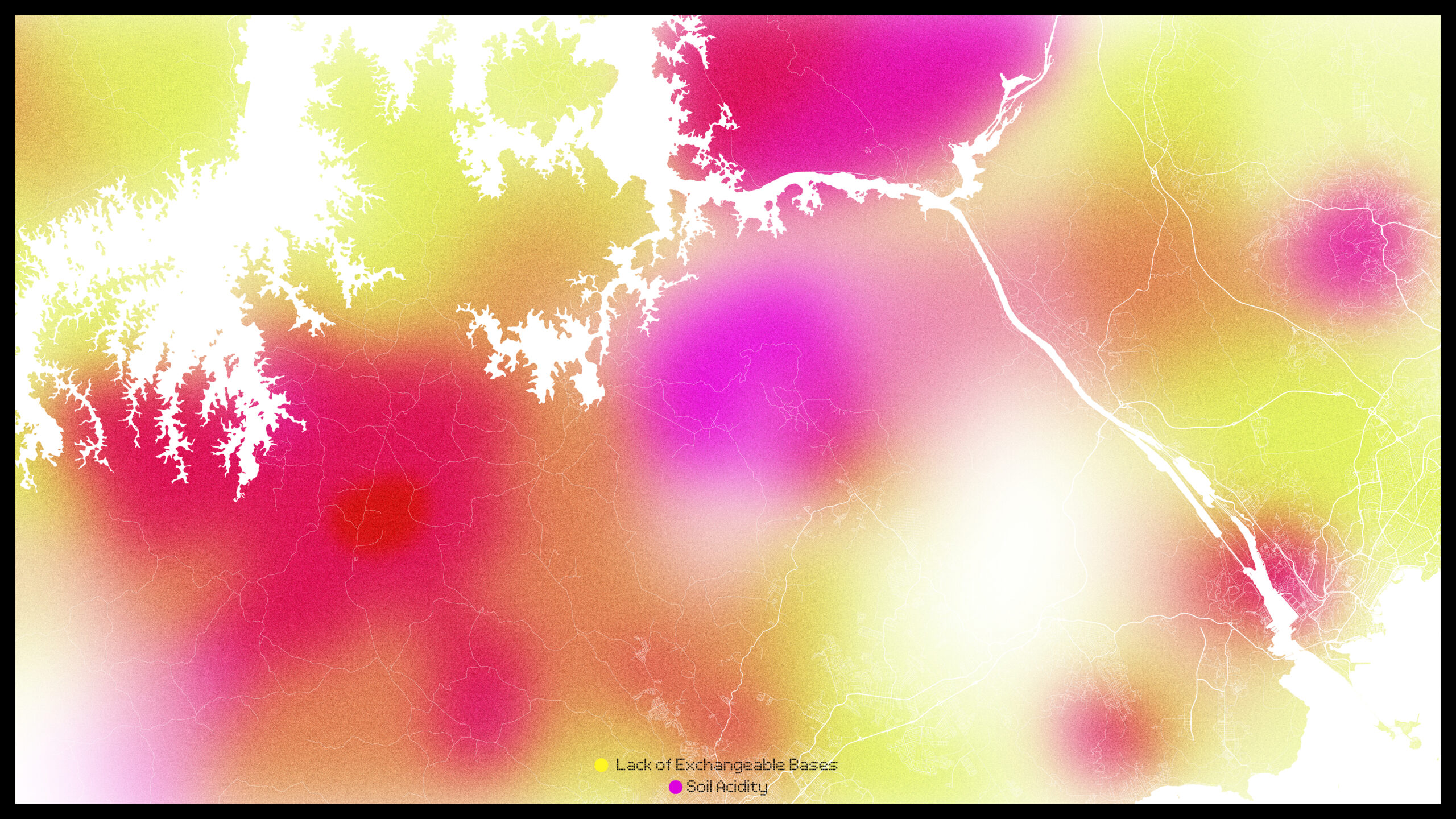
Due to extensive deforestation and expansion of human intervention into the formerly forested areas, soils in the Panamanian isthmus, particularly south of Lake Gatun, suffer from high levels of acidity and lack of exchangeable bases which inhibit growth of flora and thus inhabitation of fauna, hindering potential efforts for afforestation and re-introduction of biodiversity.
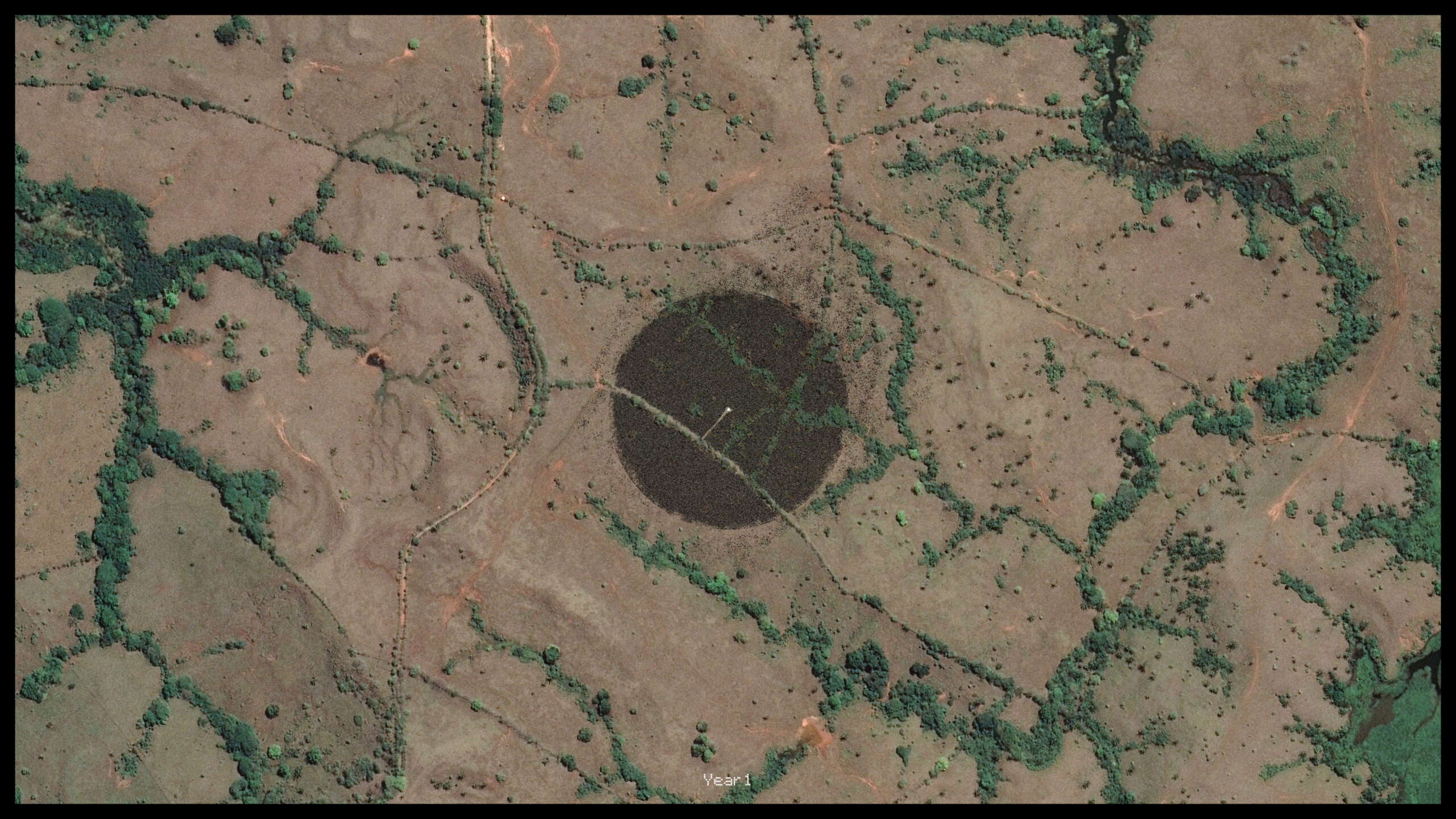
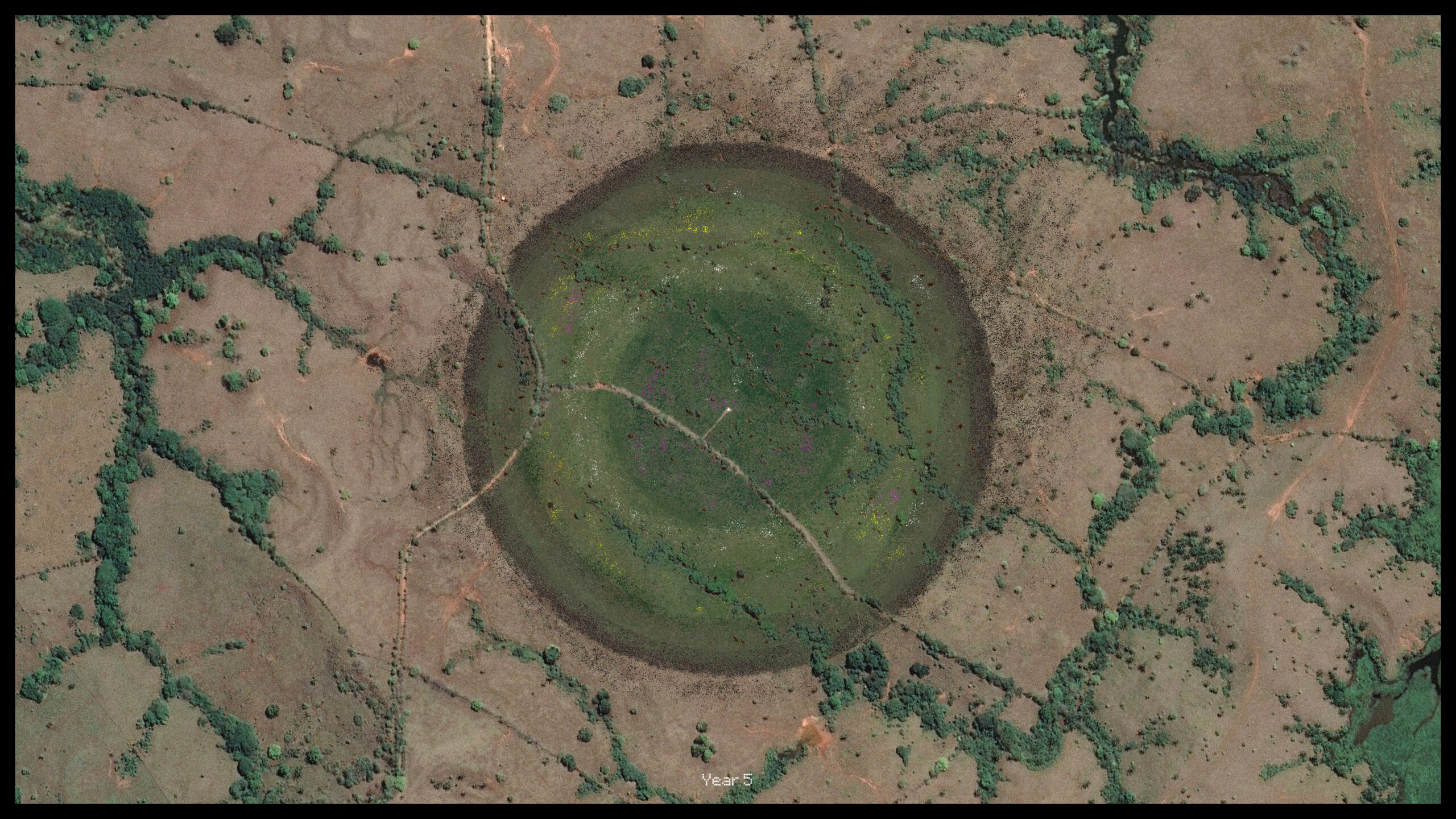
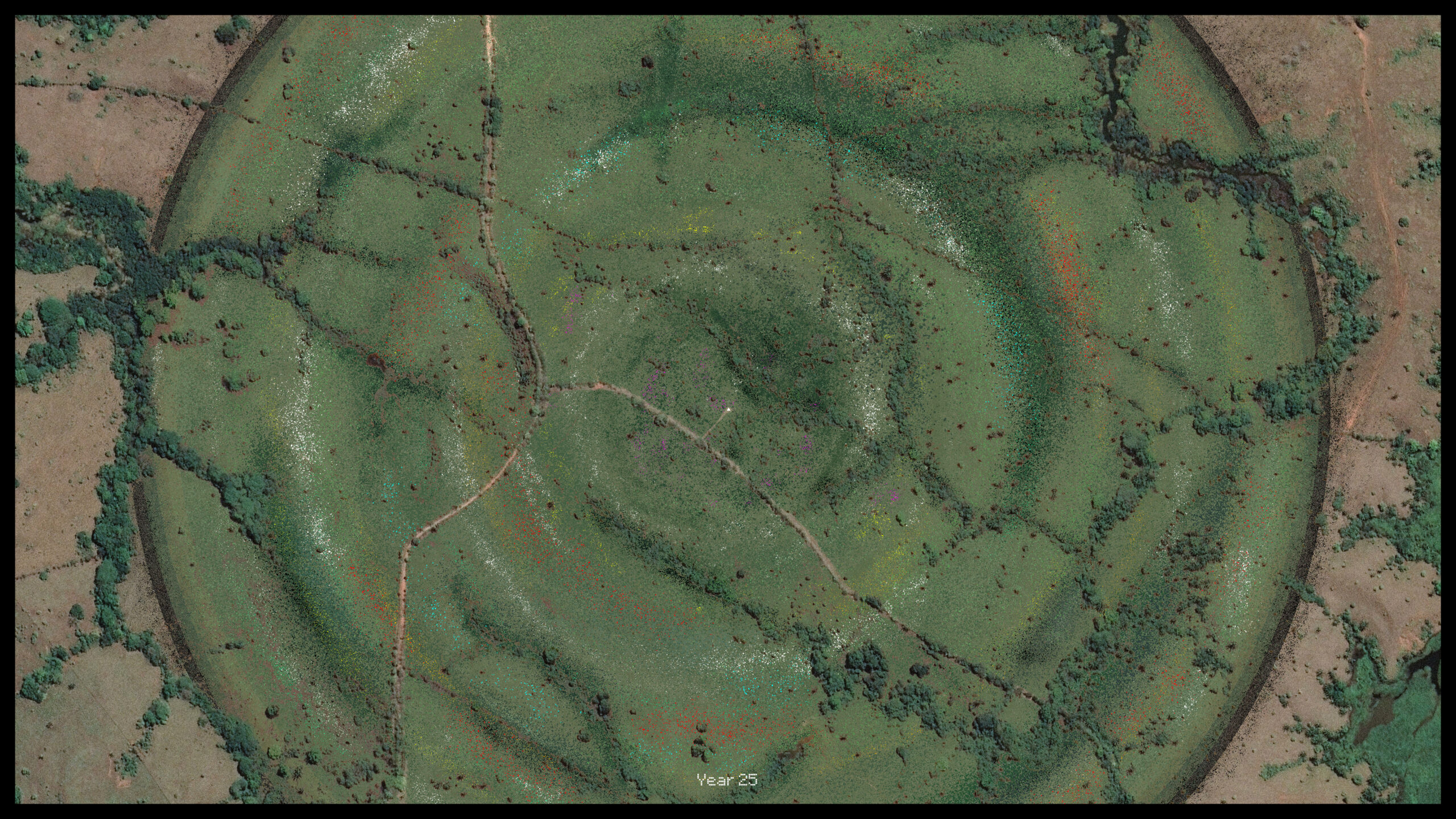
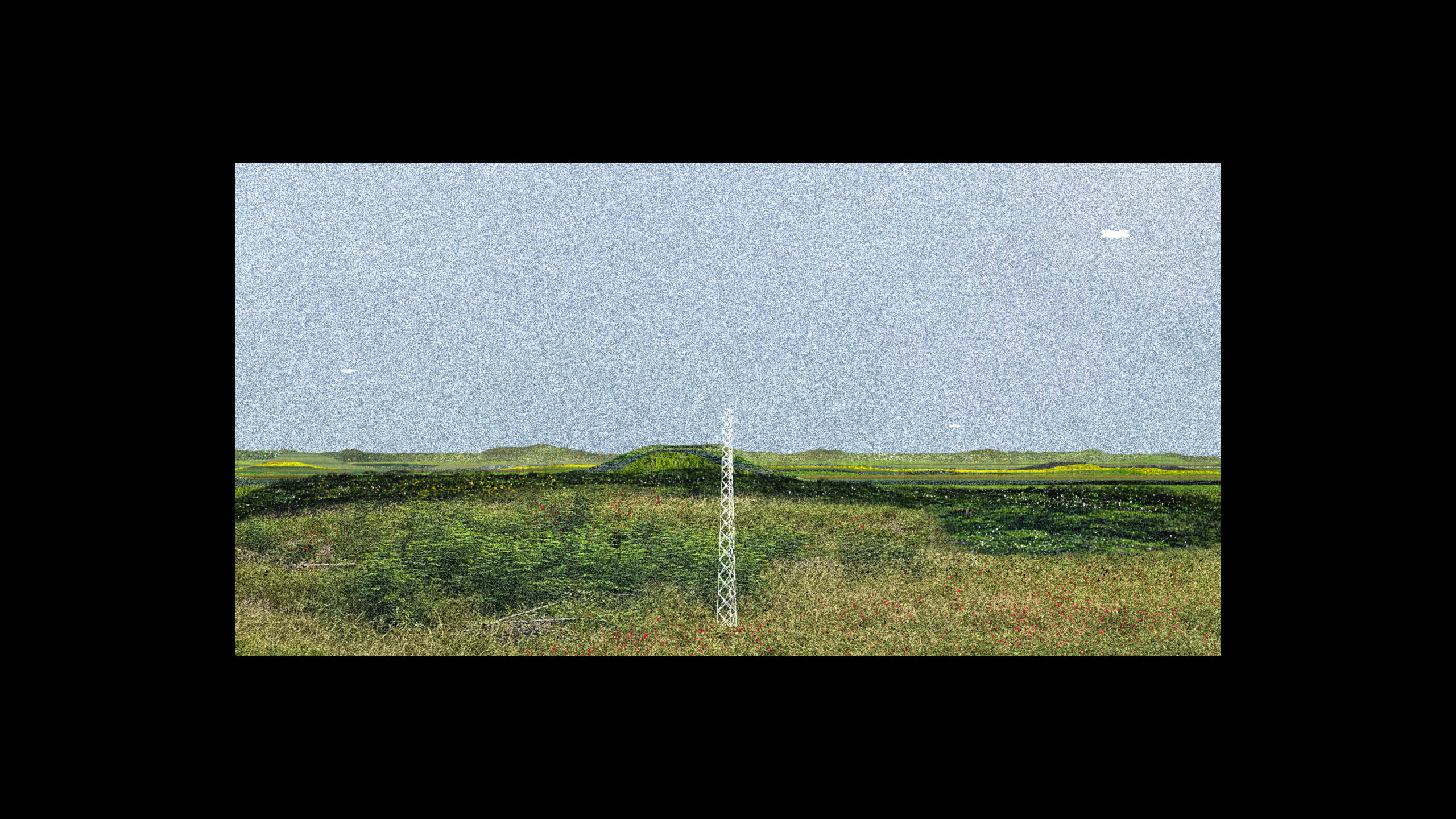
Addressing this, The Binary Gardens comprise a systematic intervention whereby rock dust, crushed and collected in the Exchange Point, is dispersed radially by drones from a number of logistical points, pollinating the soils around, as excavation advances inside the hill. This process de-acidifies the soil, nourishing it with bases and mineral nutrients. It thus lays the groundwork for the re-establishment of vegetation and bio-diversity while subtly inscribing discrete temporalities of anthropogenic origins through patterns of vegetation.