
LANDSCAPES OF AUTOMATED ORGANIZATION
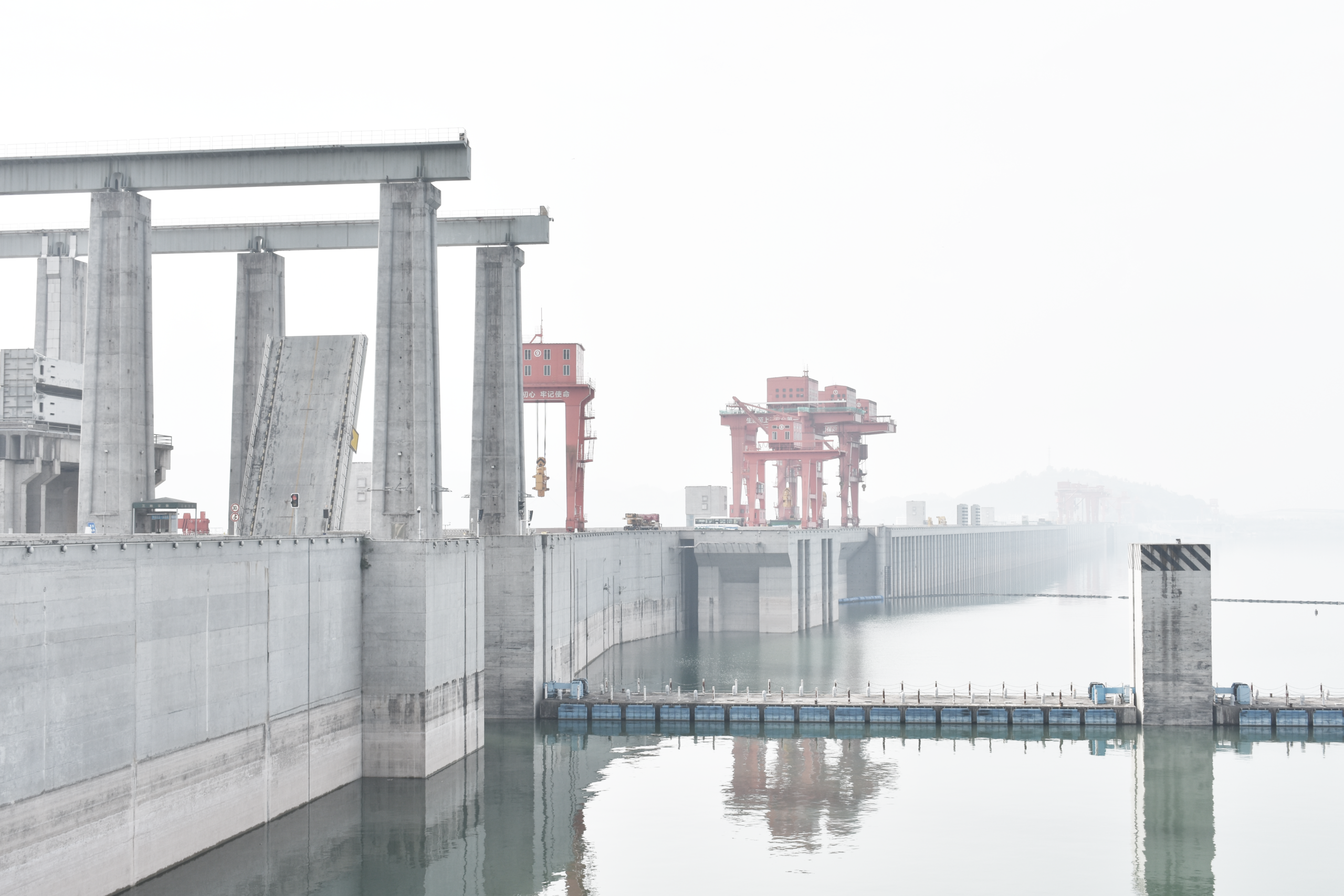
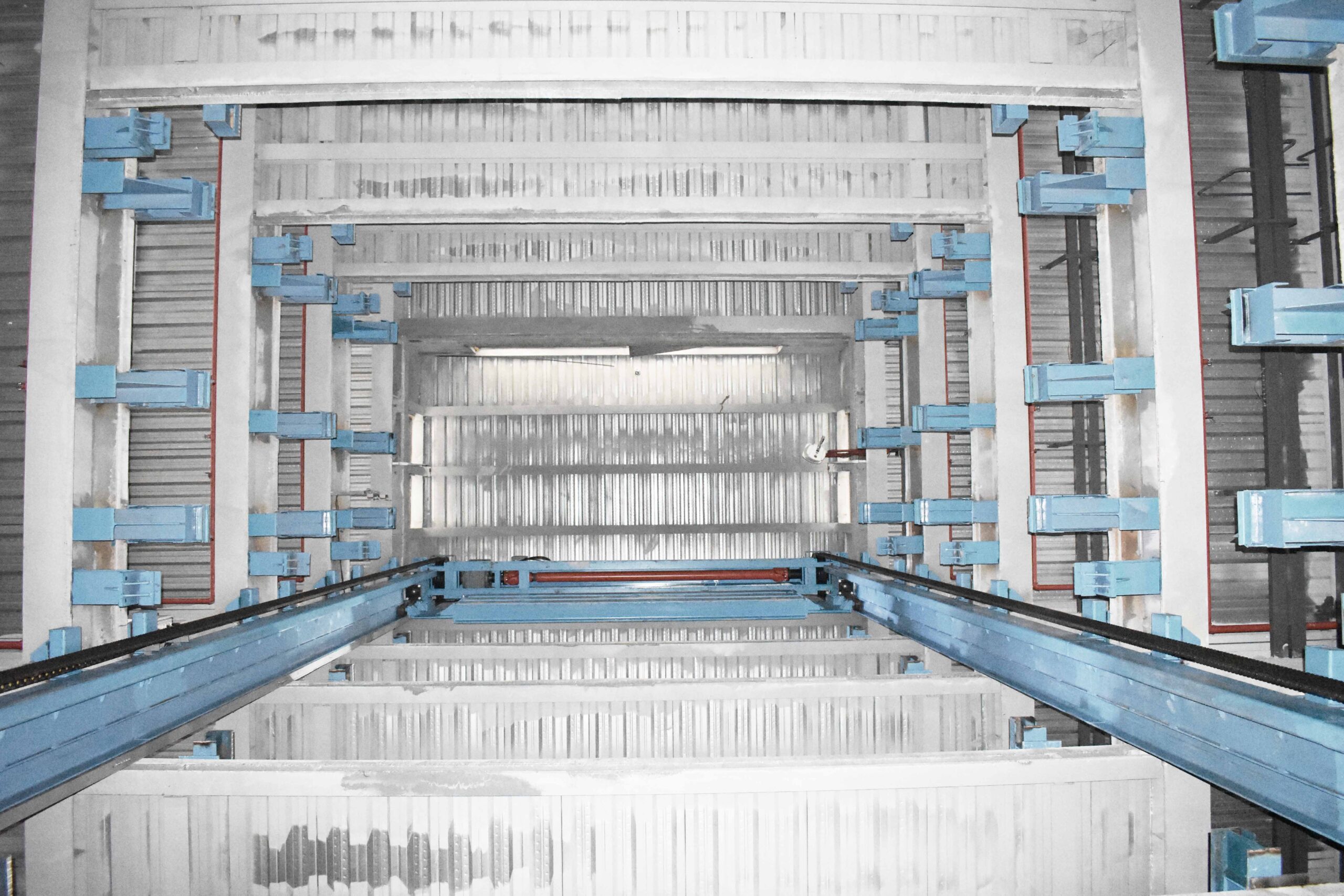
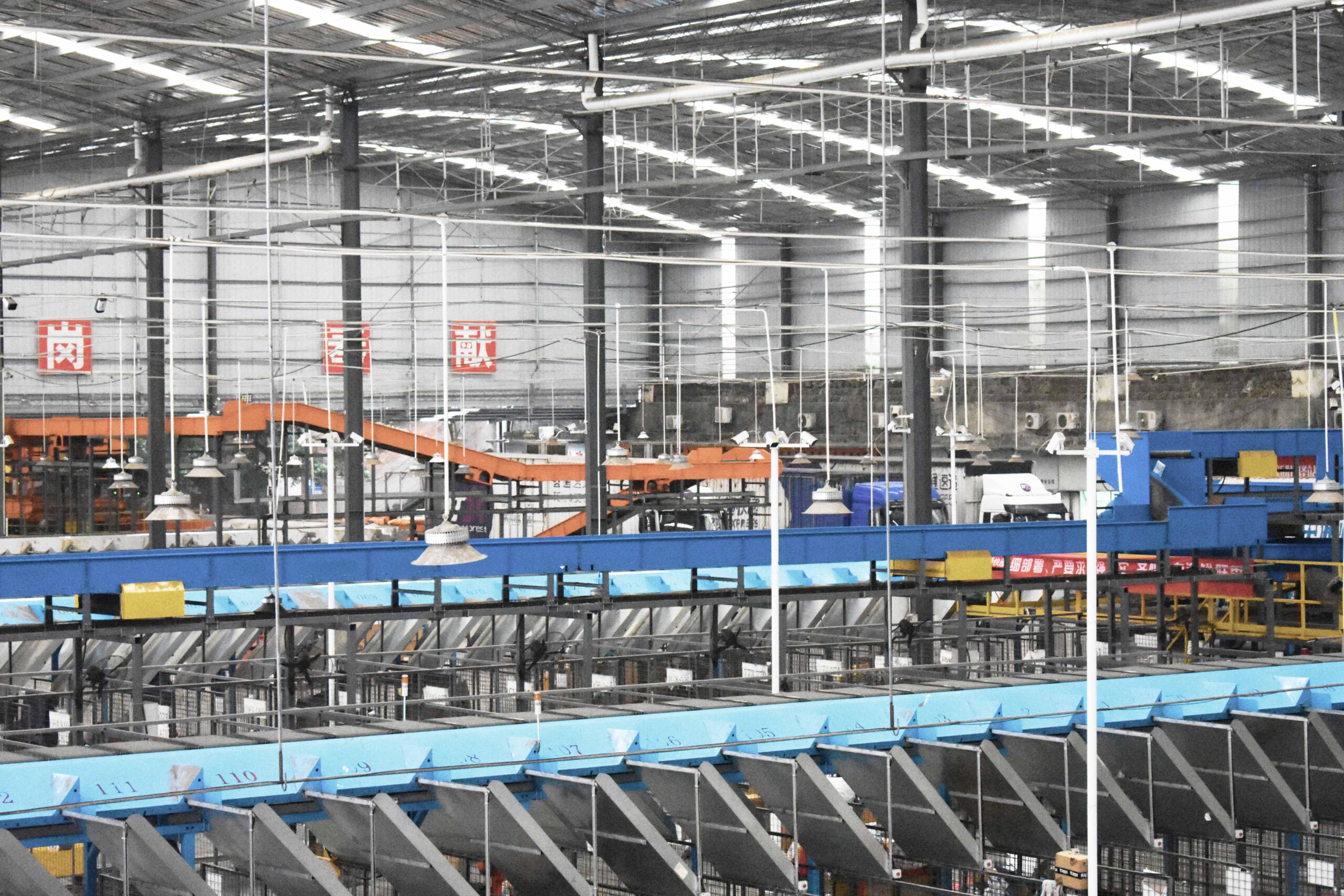
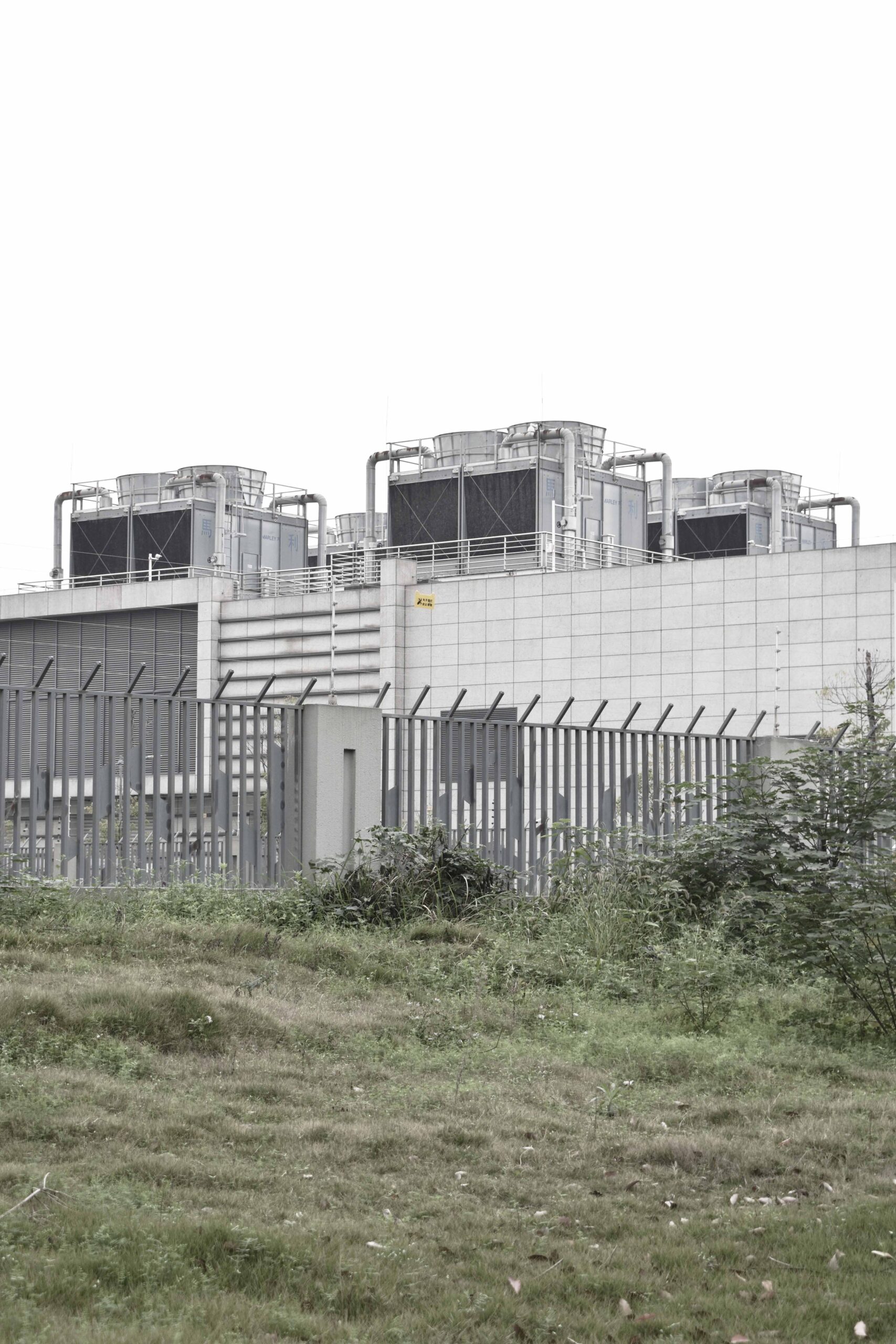
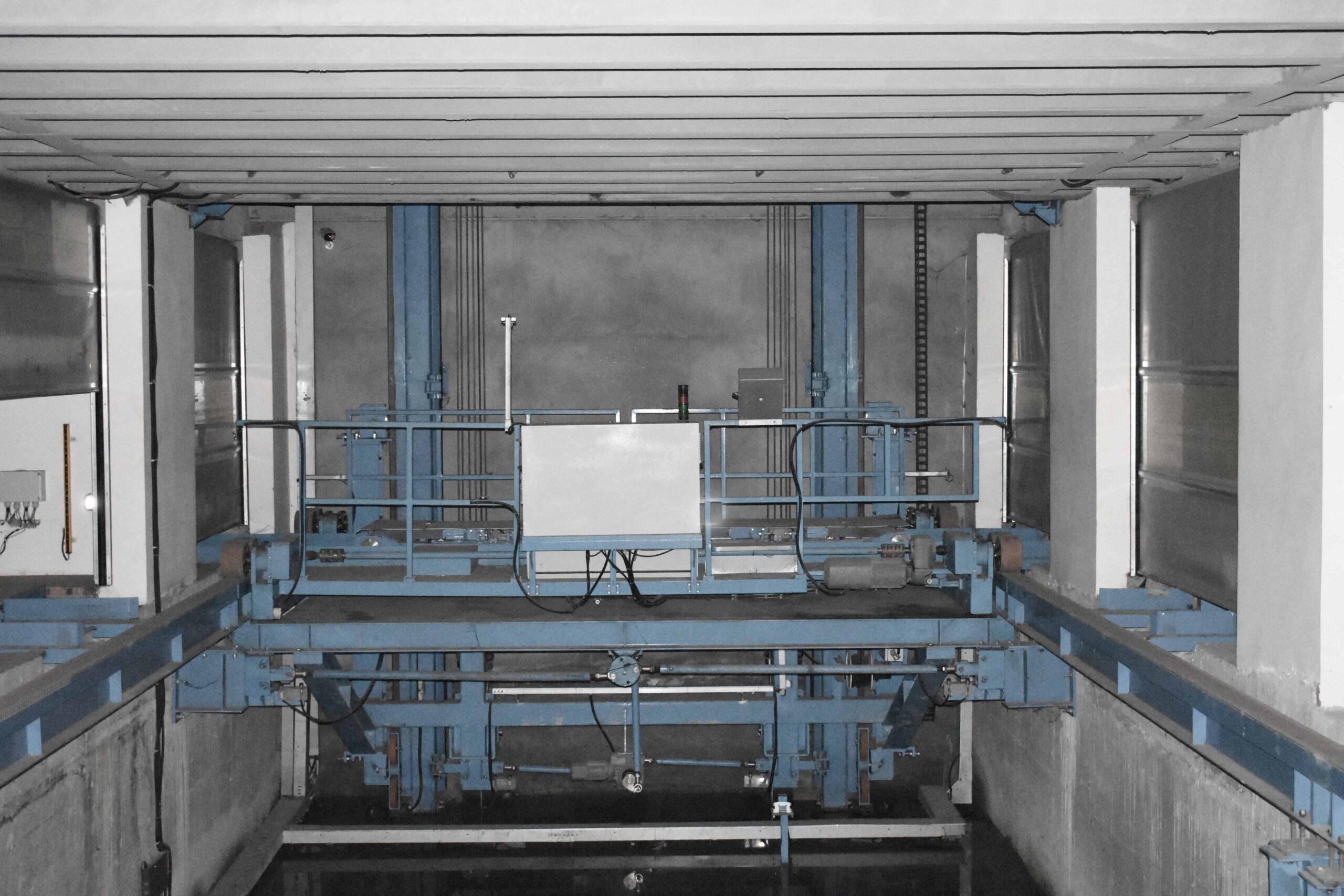
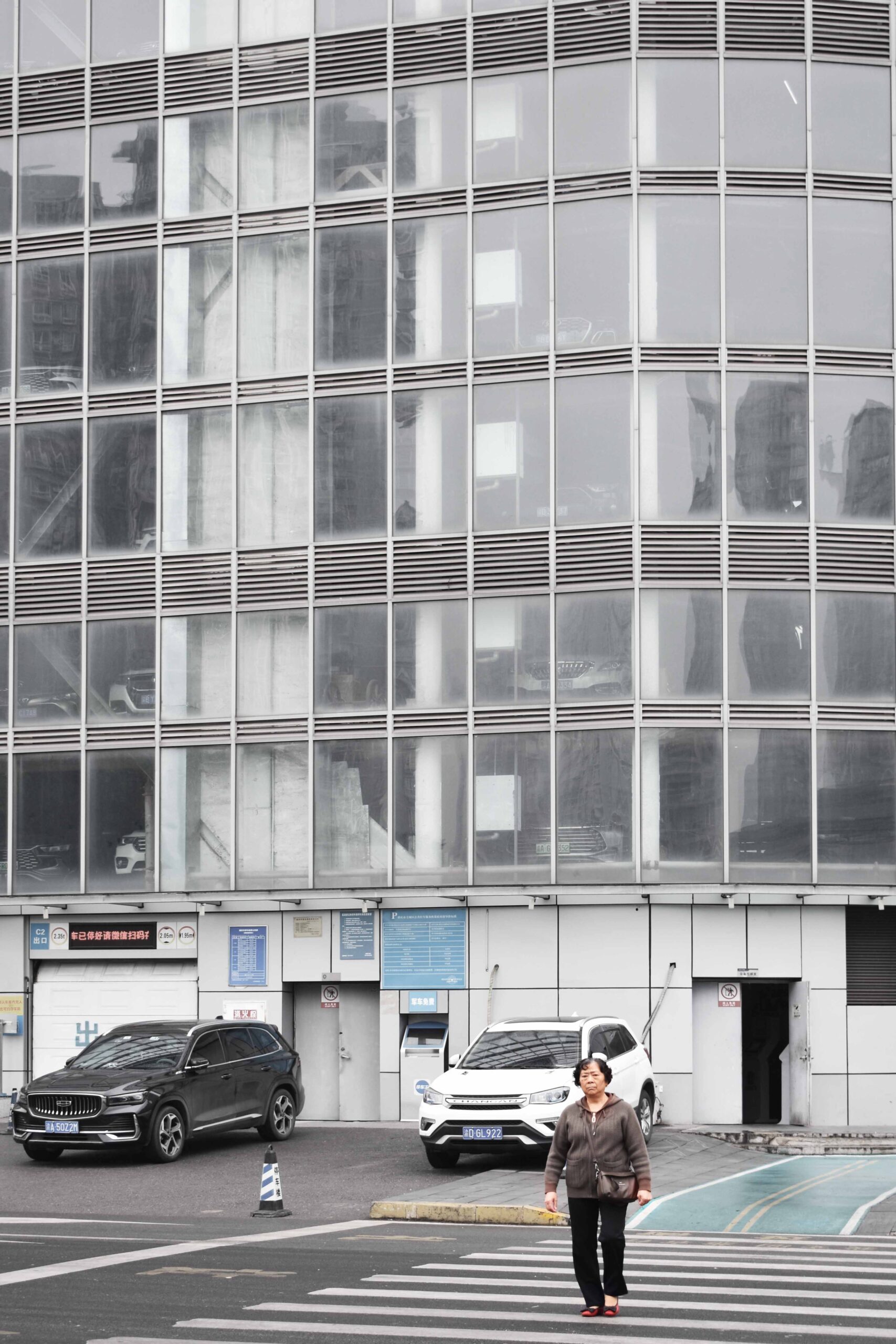
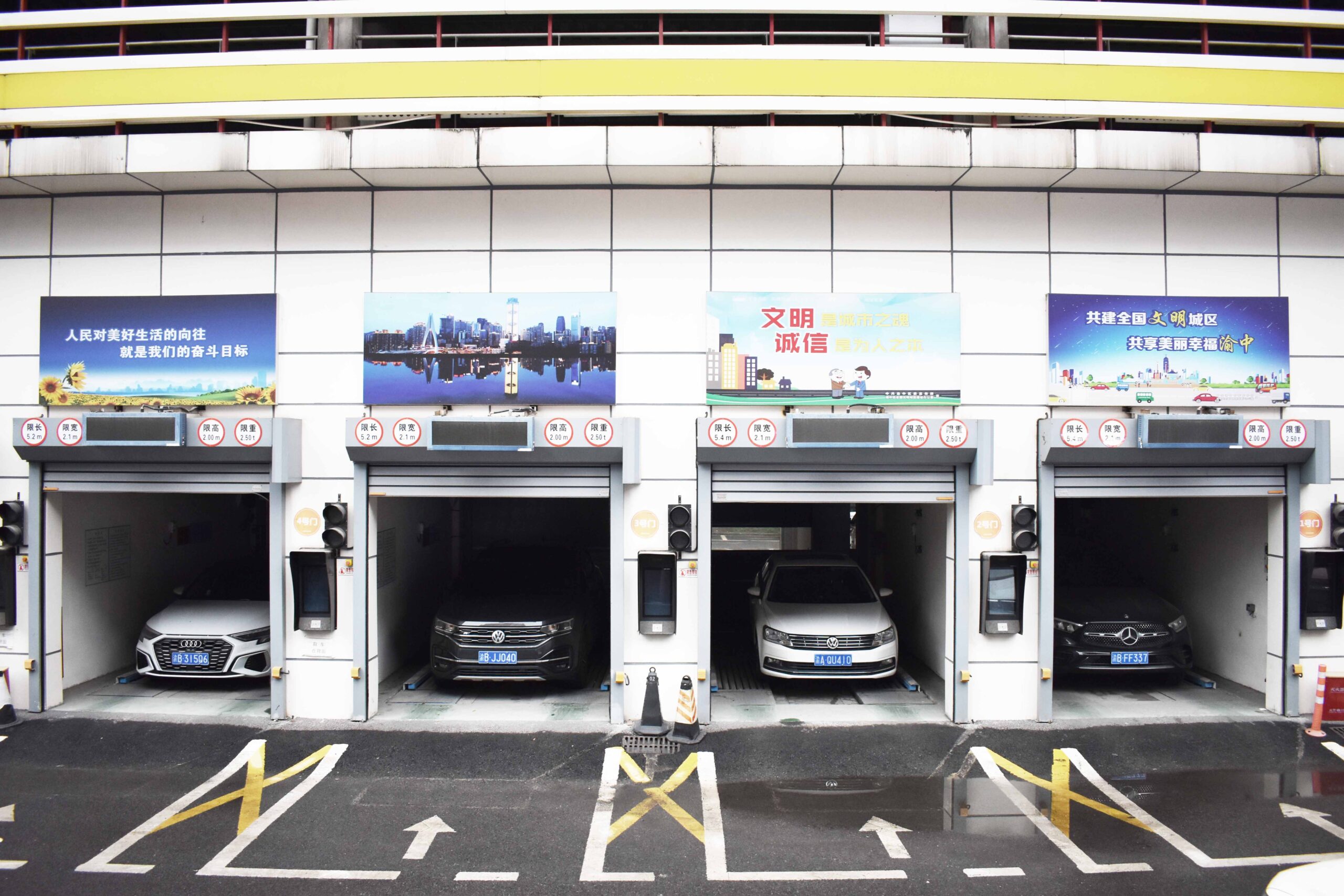
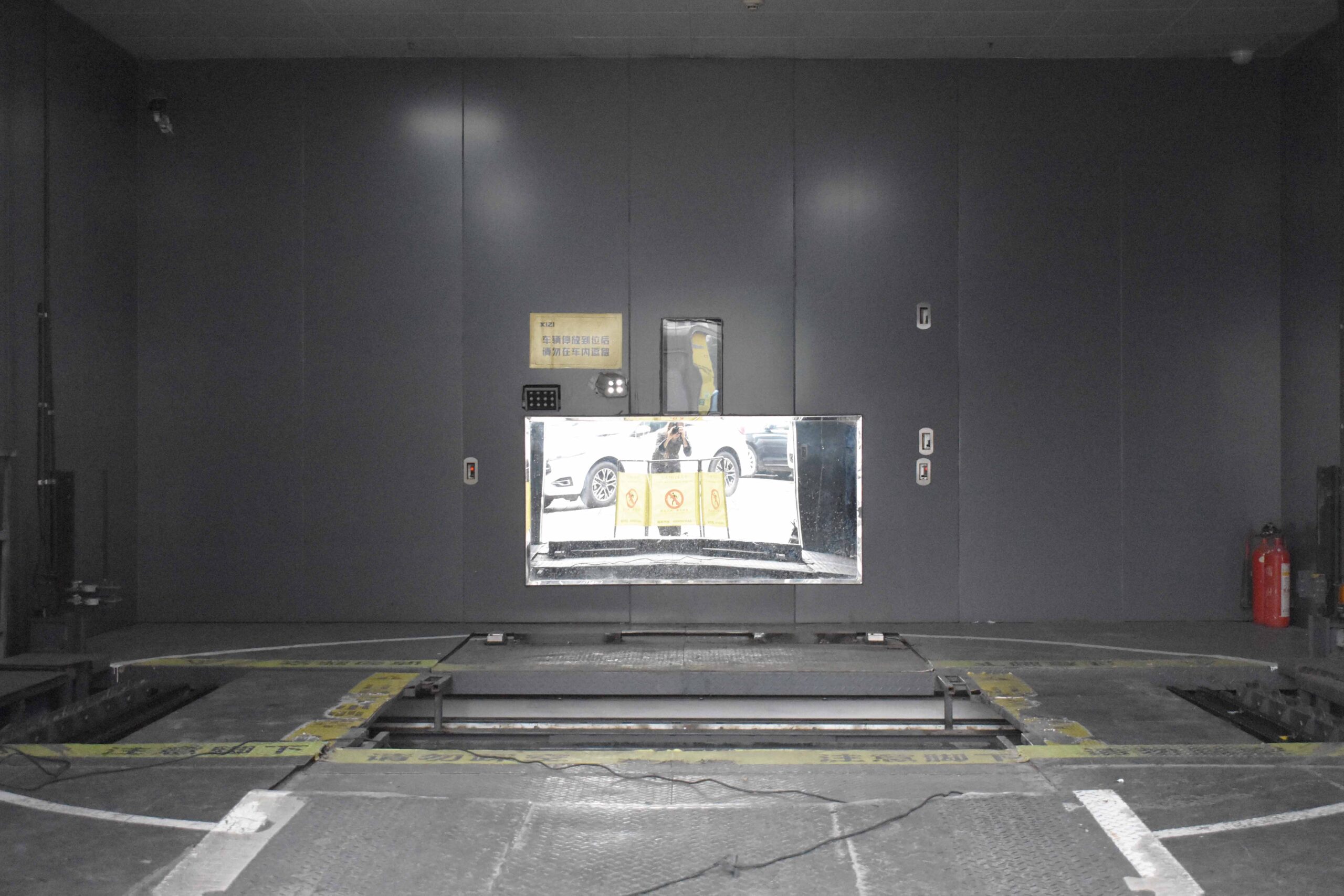
Automated organization landscapes are expansive, intricate environments configured by the interplay of human, mechanical and digital participants, with their primary function not being based on the generation of new elements, but rather in the continuous reconfiguration of existing ones within a defined space. These spaces are meticulously managed and designed to maintain a high degree of control and limited human involvement, for which a strategic separation from the external world is established, permitting interaction with the outside only through carefully regulated points of entry and exit. The examples that illustrate the landscapes of an automated organization are distribution centers, data centers (emphasizing data storage, retrieval and processing), robotic manufacturing facilities and automated car parking structures.
The definition further specifies machine landscapes, as introduced in the 2019 edition of Architectural Design, concerning the architectures of post-Anthropocene,[1] and automated landscapes, as defined in a 2023 publication with the same title,[2] investigating the challenge of automation to the anthropocentric condition. The term landscape captures the breadth and complexity inherent in these spaces, where diverse interactions coalesce, forming multifaceted ecosystems that transcend simplistic definitions. They may even include compartmentalization, where each section is governed by distinct operational climates or sets of rules.
The processes within these spaces are controlled by a labyrinthine array of systems, algorithms and software that encode and manage incoming and outgoing objects. This orchestration is created between an interplay of dynamic machinery and either remotely or within the site-placed computational devices, which, while distributing objects within a space, often create an environment with logic incomprehensible to an outsider.
Although these spaces exhibit a wide range of functions, characteristics, organizational patterns and formal typologies, they share one unifying trait: seclusion, being defined as closed systems. They are physically separated from their surroundings, whether through barriers that prevent unauthorized entry or by being housed in windowless, shed-like structures that further isolate them. However, this closed-system logic extends beyond the physical, encompassing a mental understanding, as viewed and understood by the inner systems overseeing the processes, and the recognition by the general society.