


THE SPACE CEMETERY
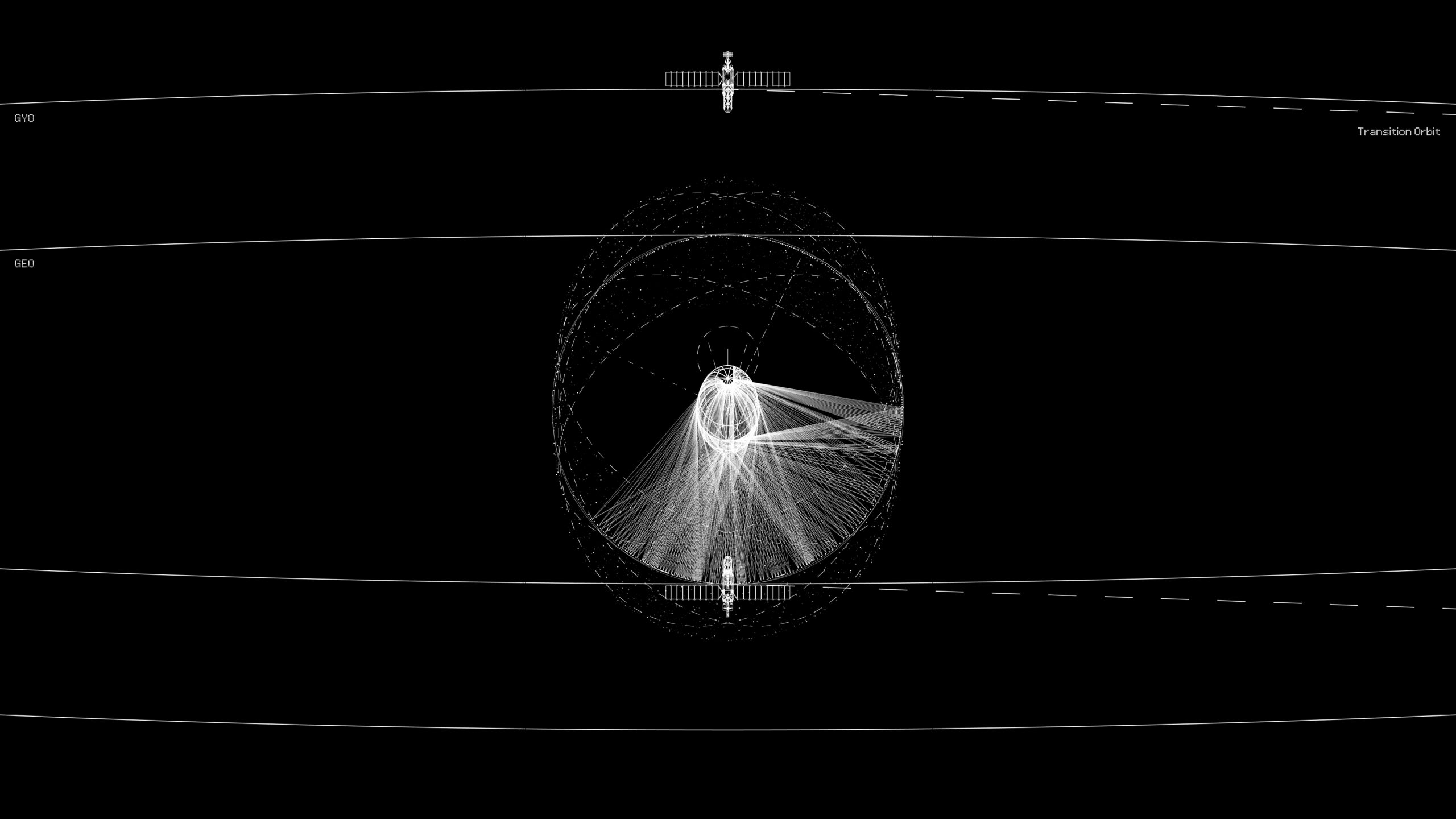
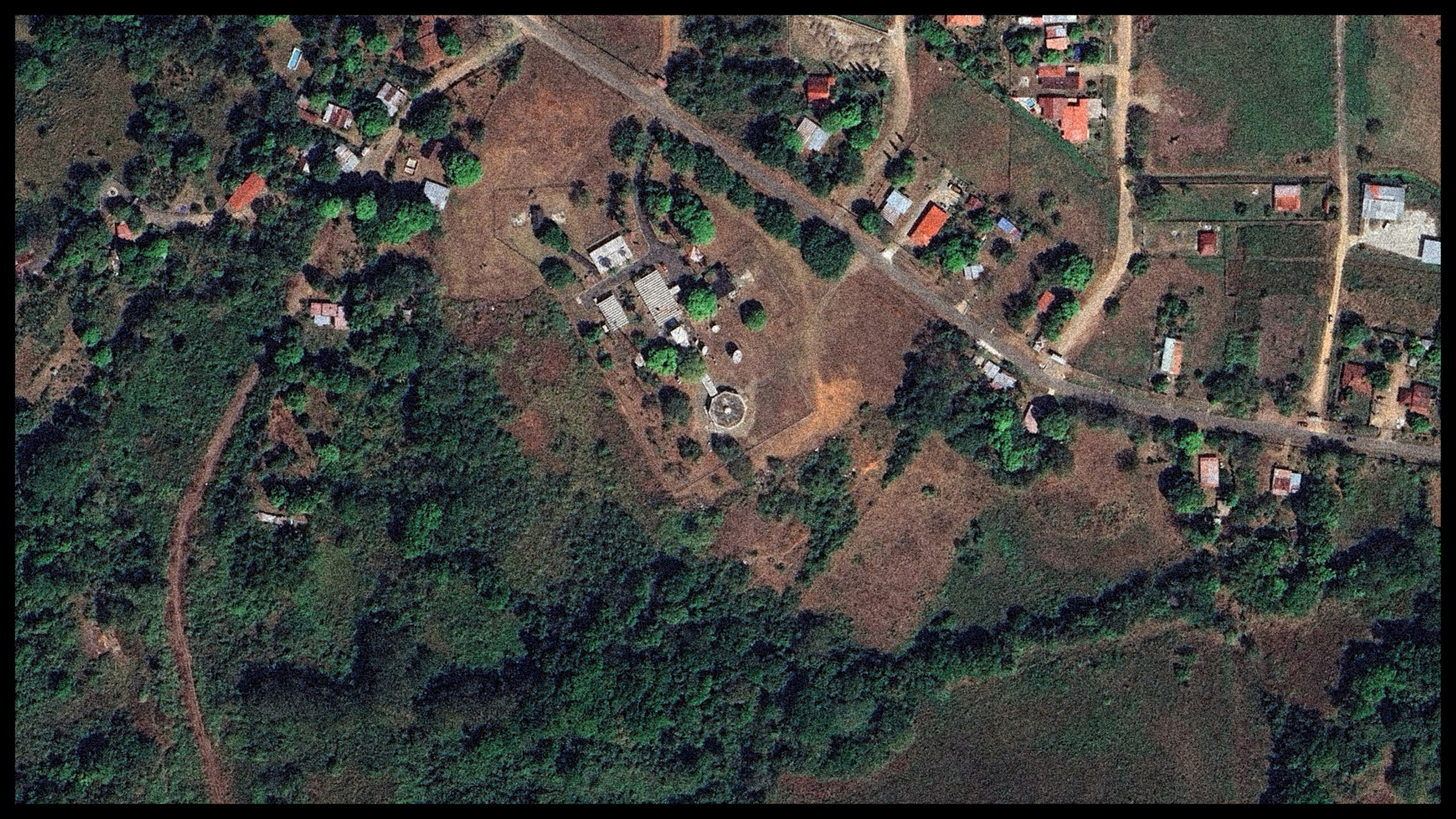
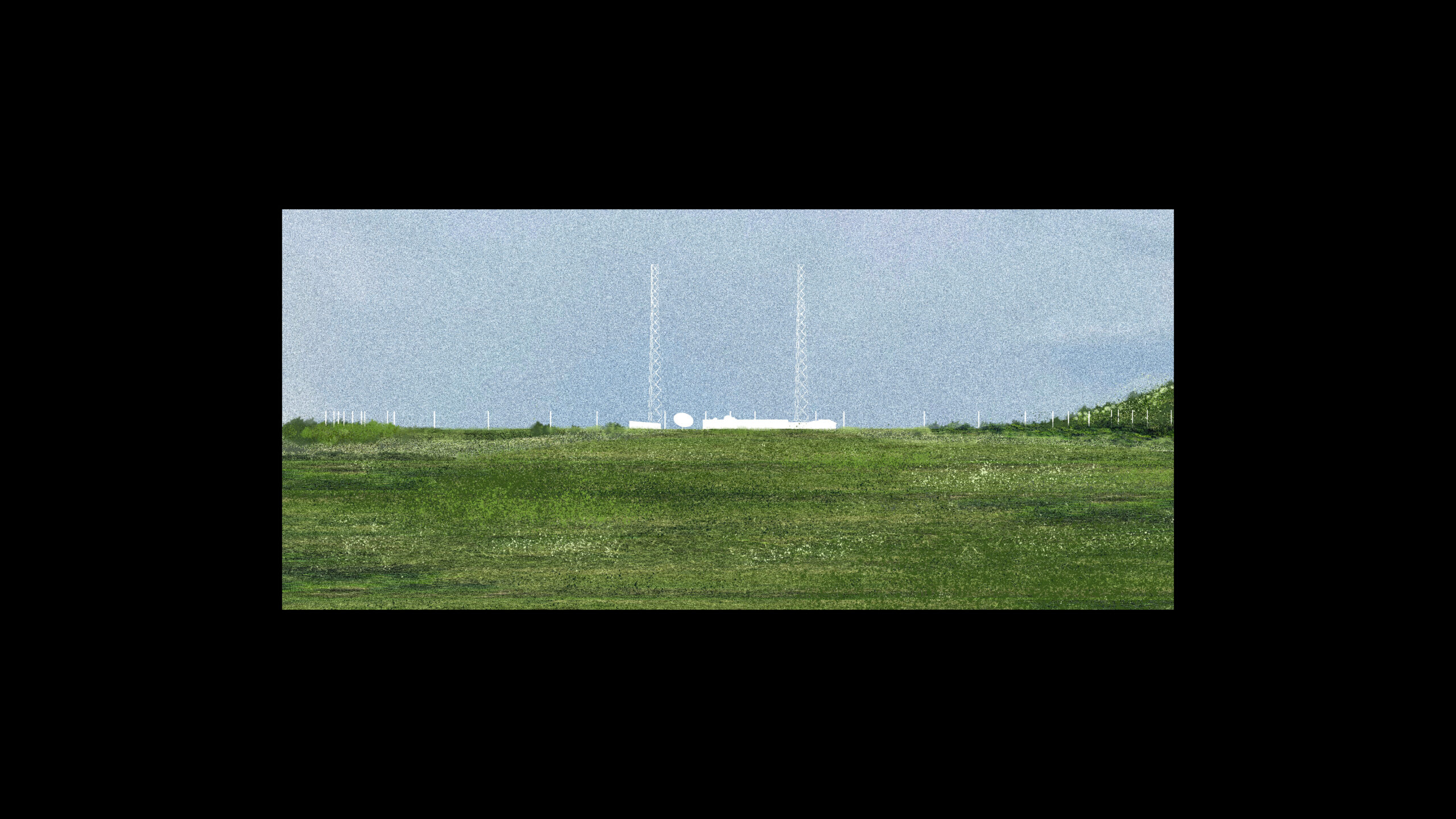
The Satellite Ground Station in Utivé, approximately 33 kilometres east of Ancon Hill was initially established by the US Military to link the Canal Zone, and later on Panama, to communication satellites, located primarily in Geostationary Orbit (GEO). The GEO is ‘prime real estate’ in space, as the stationary (relative to the observer on the surface of the earth) position of a satellite allows for the construction of larger, fixed antennas that can be pointed directly at the satellite. Yet those satellites have a limited life-span due to their reliance on fuel, needed to calibrate and maintain their precise orbit. Given this situation, at the end of a satellite’s approximately 15 year-long lifetime, they are ‘retired’ into the so-called Graveyard Orbit (GYO) approximately 300 kilometres above GEO, and passivated – effectively turning into space junk. Expanding the operational extent of the project and introducing an additional level of preservation (and oblivion), the proposition is to perform a backup at the moment of a satellite’s ‘death’ before its transition to the Graveyard Orbit. Information, deemed most essential by the institution that would fit in the satellite’s flash memory, is to be placed there to last for the remaining hardware life-time of roughly 15 years, before it too falls into oblivion.
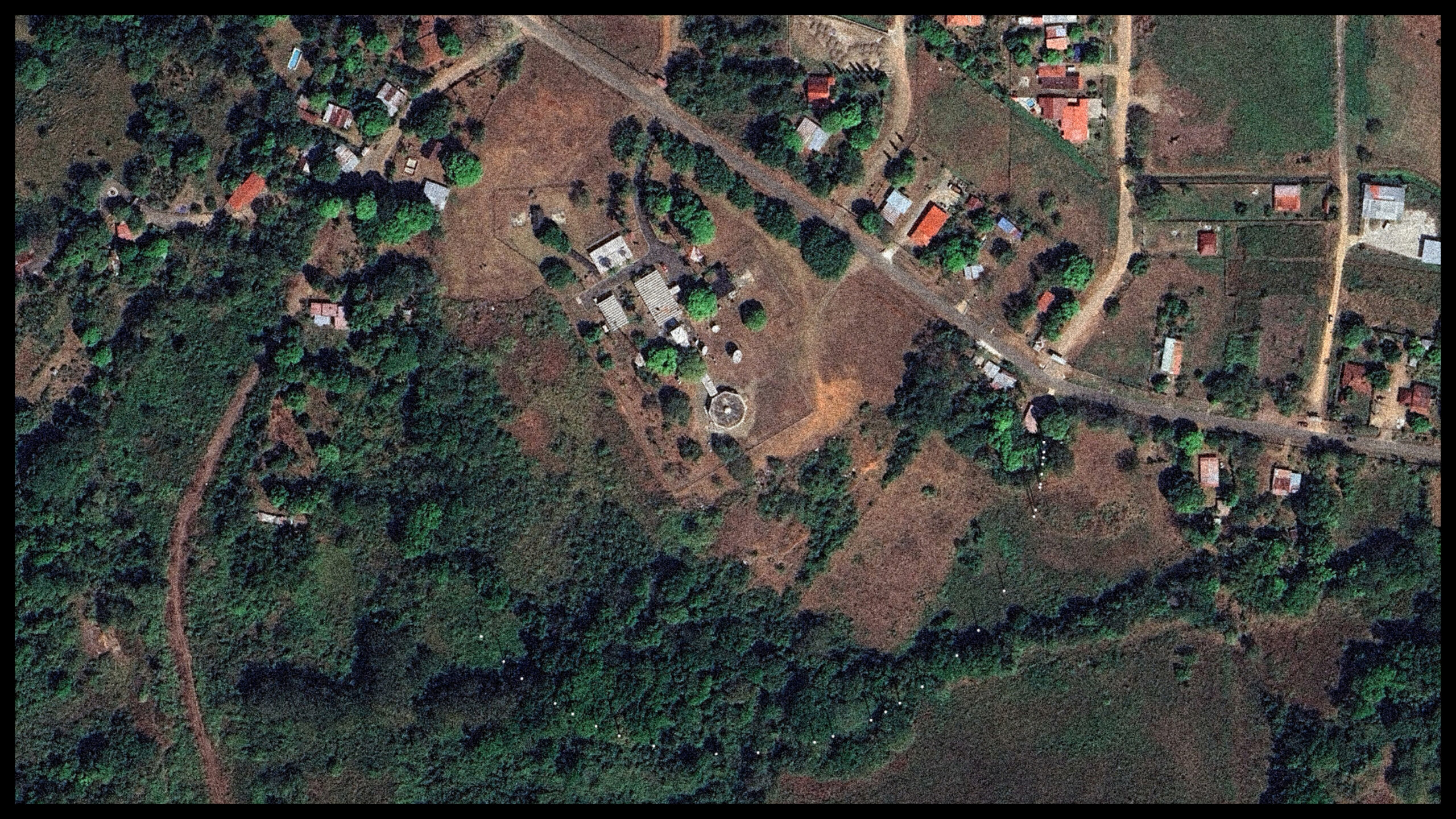
On the ground, this is translated into a series of columns – tombstones – for each satellite that goes to die, corresponding to their position in the sky at the moment of death.
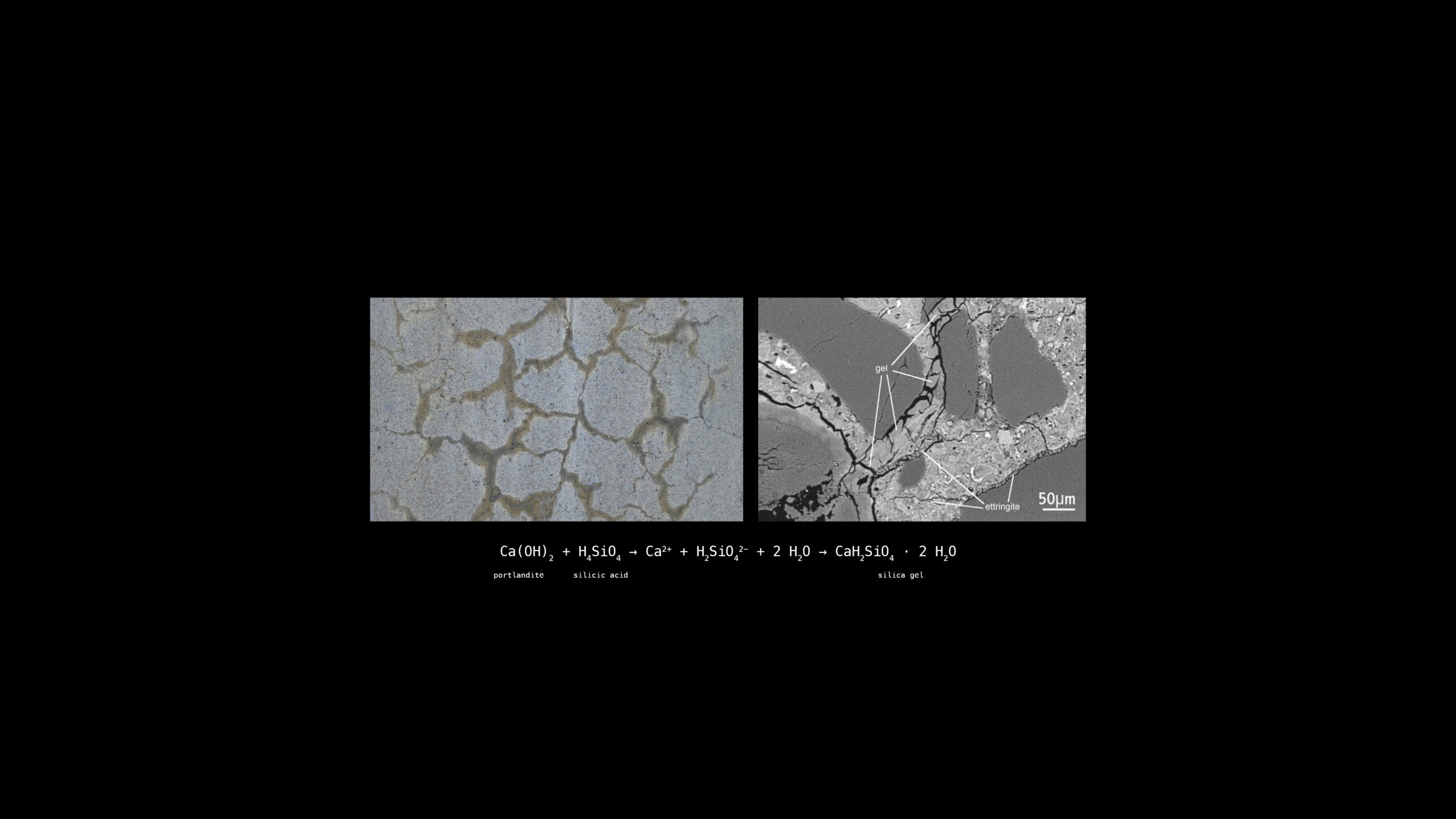
Using some of the excavated material as aggregate for the concrete in the columns, the rock’s chemical properties come to acute relevance once again. The dacite, mixed in with the cement, is bound to trigger a reaction known as alkali-silica-reaction (ASR) which over time expands and cracks up the concrete, eventually disintegrating it.
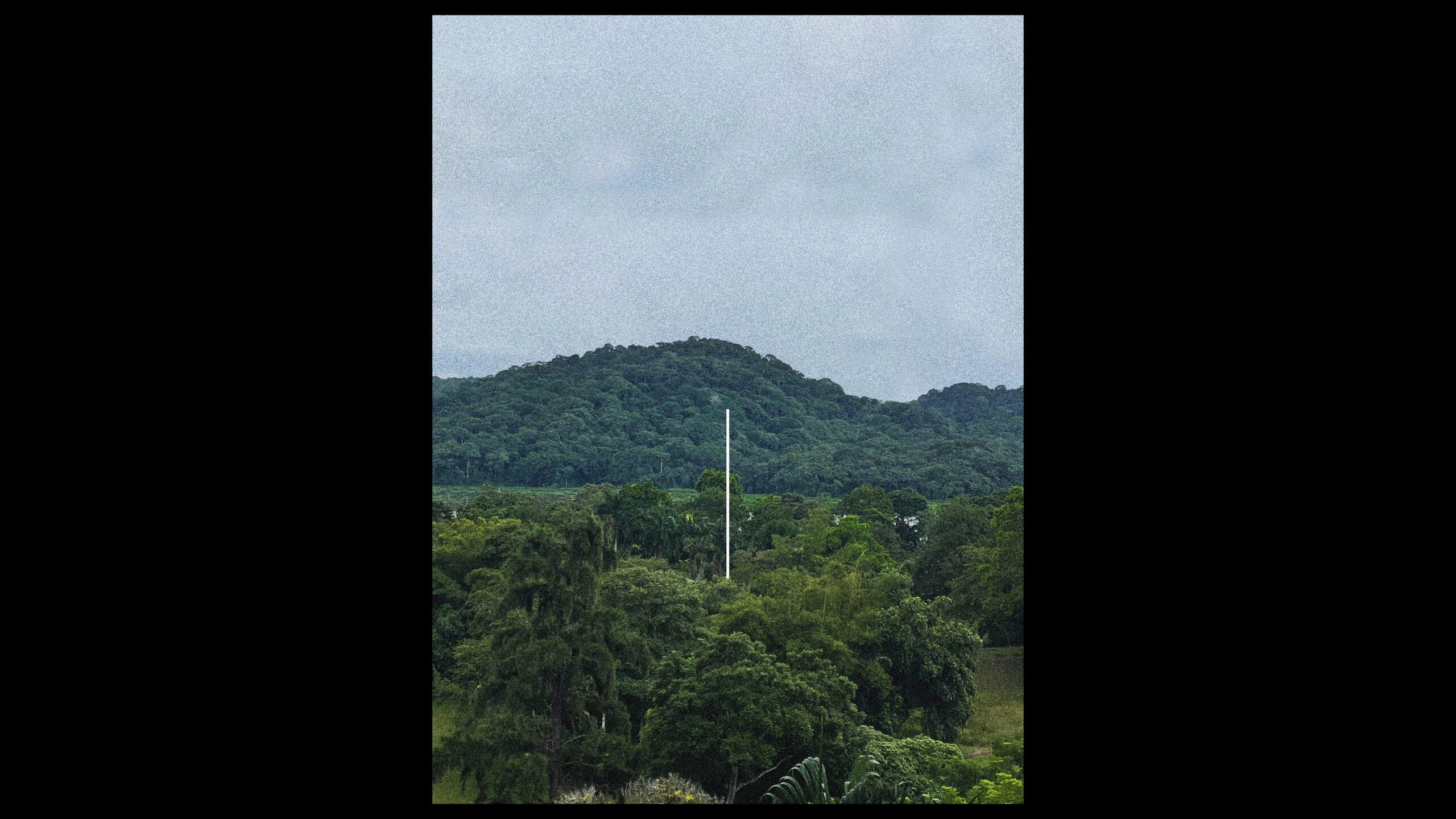
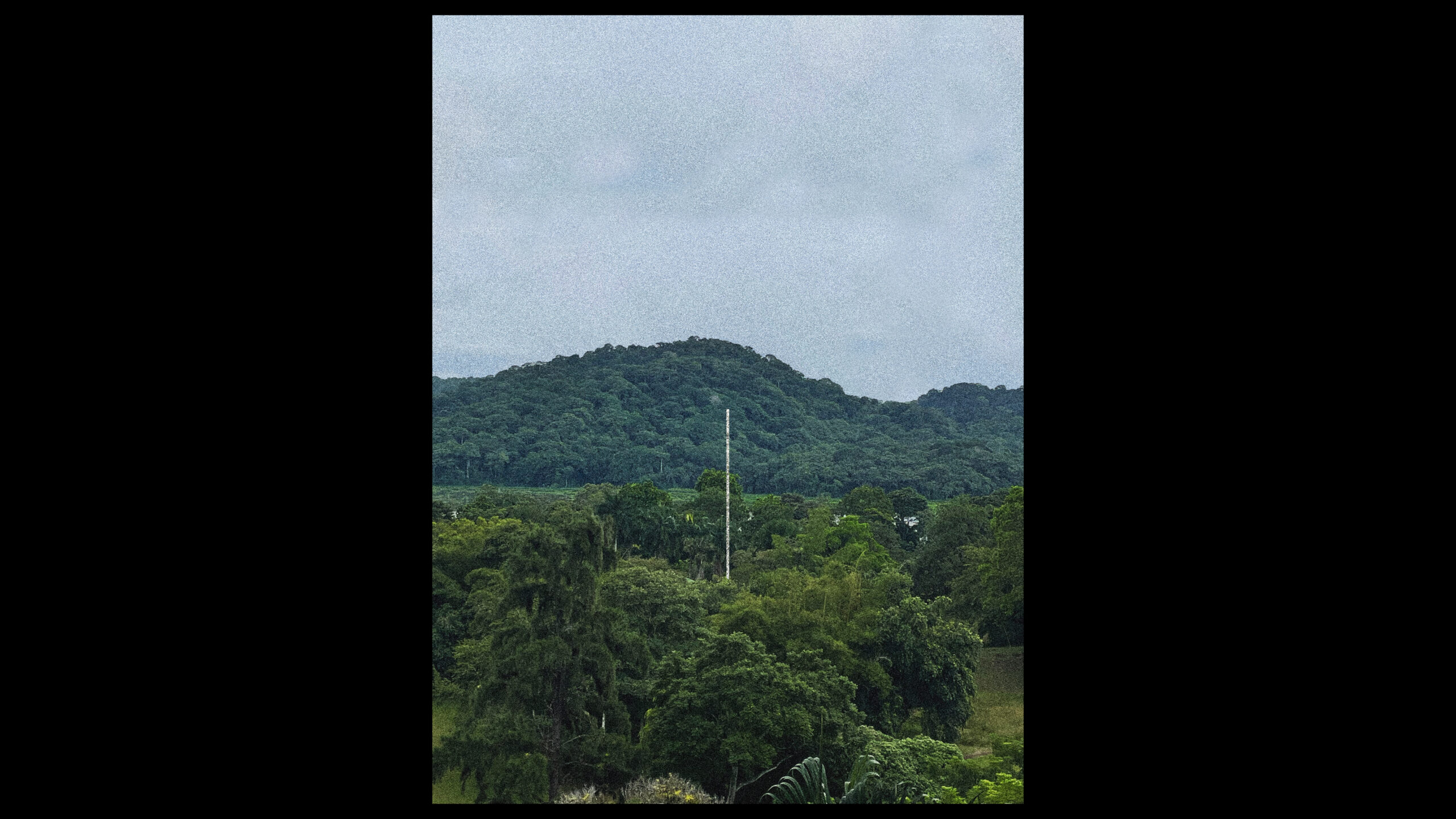
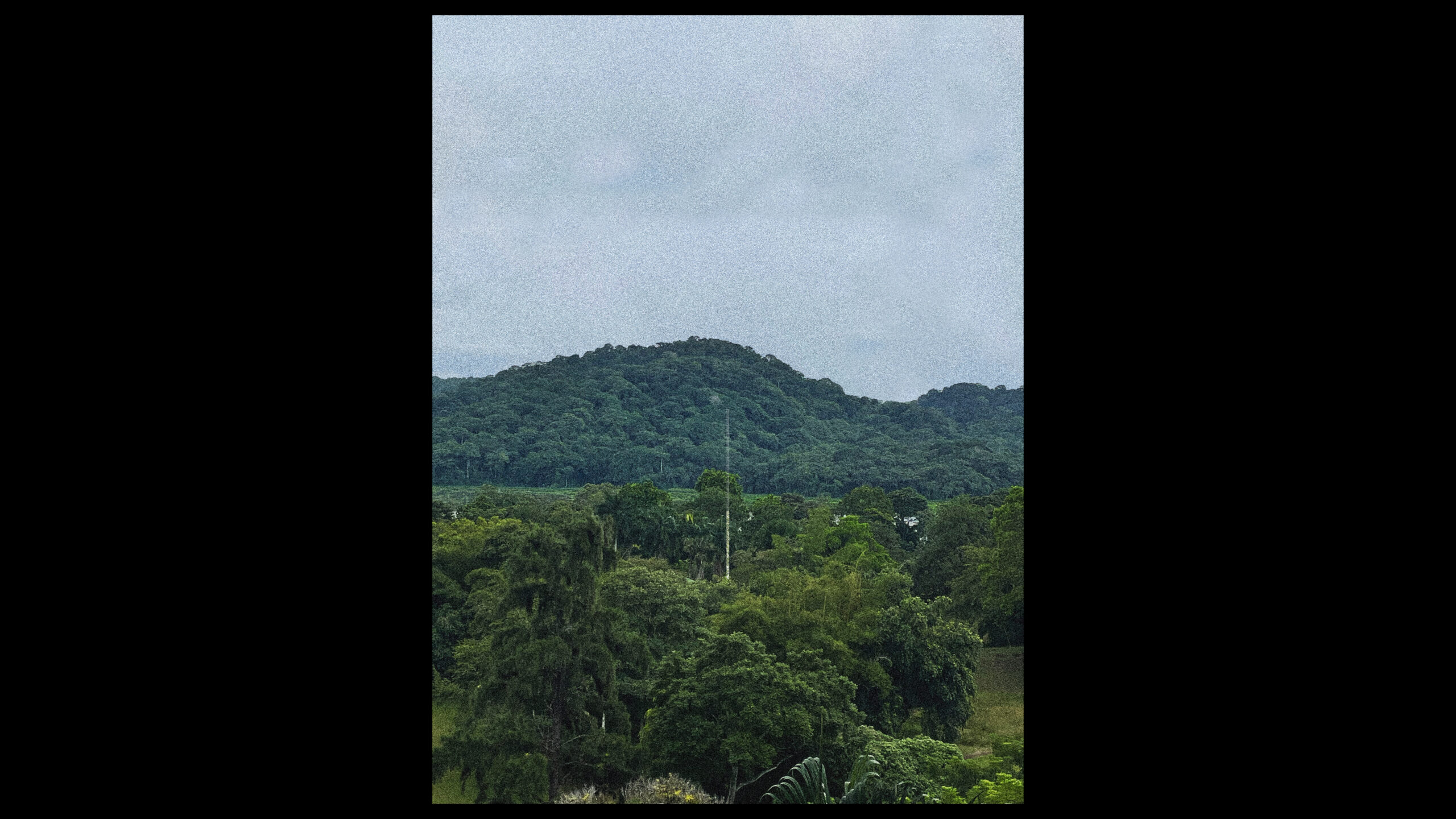
In this way the tombstones, just as the data in orbit high above, while spatialising the place’s celestial connection, are bound to fall into oblivion, time after time.