
OPERATIONAL OTHERNESS BETWEEN HYPER-CONNECTIVITY AND HYPER-SECURITY
In relation to theoretical discussions above, the main objective of the project is to develop an approach that would idiosyncratically tune into strategic constellation of zonefacts discovered in the process not in an aim to undermine them due to their inherent colonial-military origin, but rather to make use of them, to operationalise them in ways that might become productive, taking the most possible advantage of the conditions on the ground.
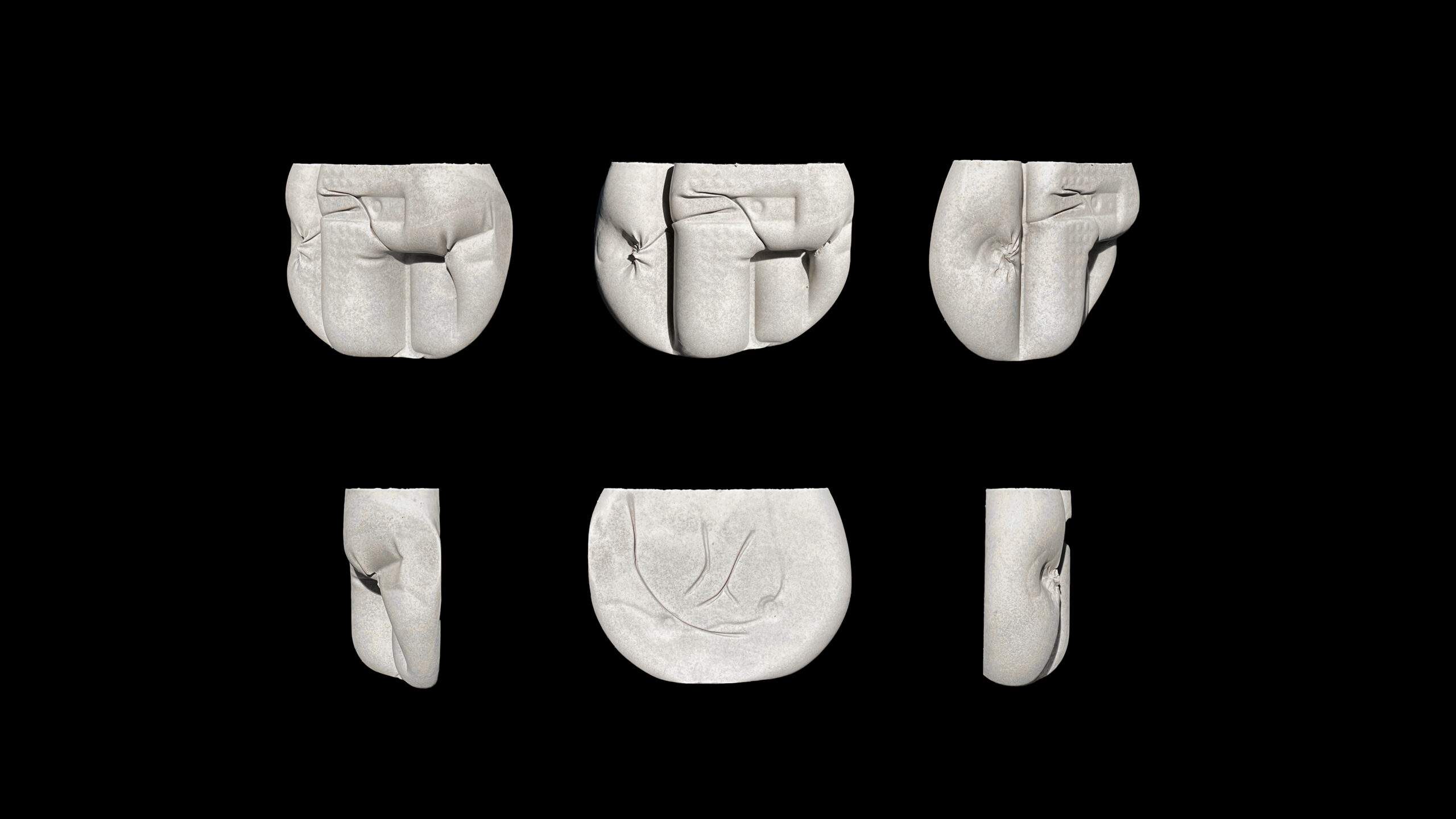
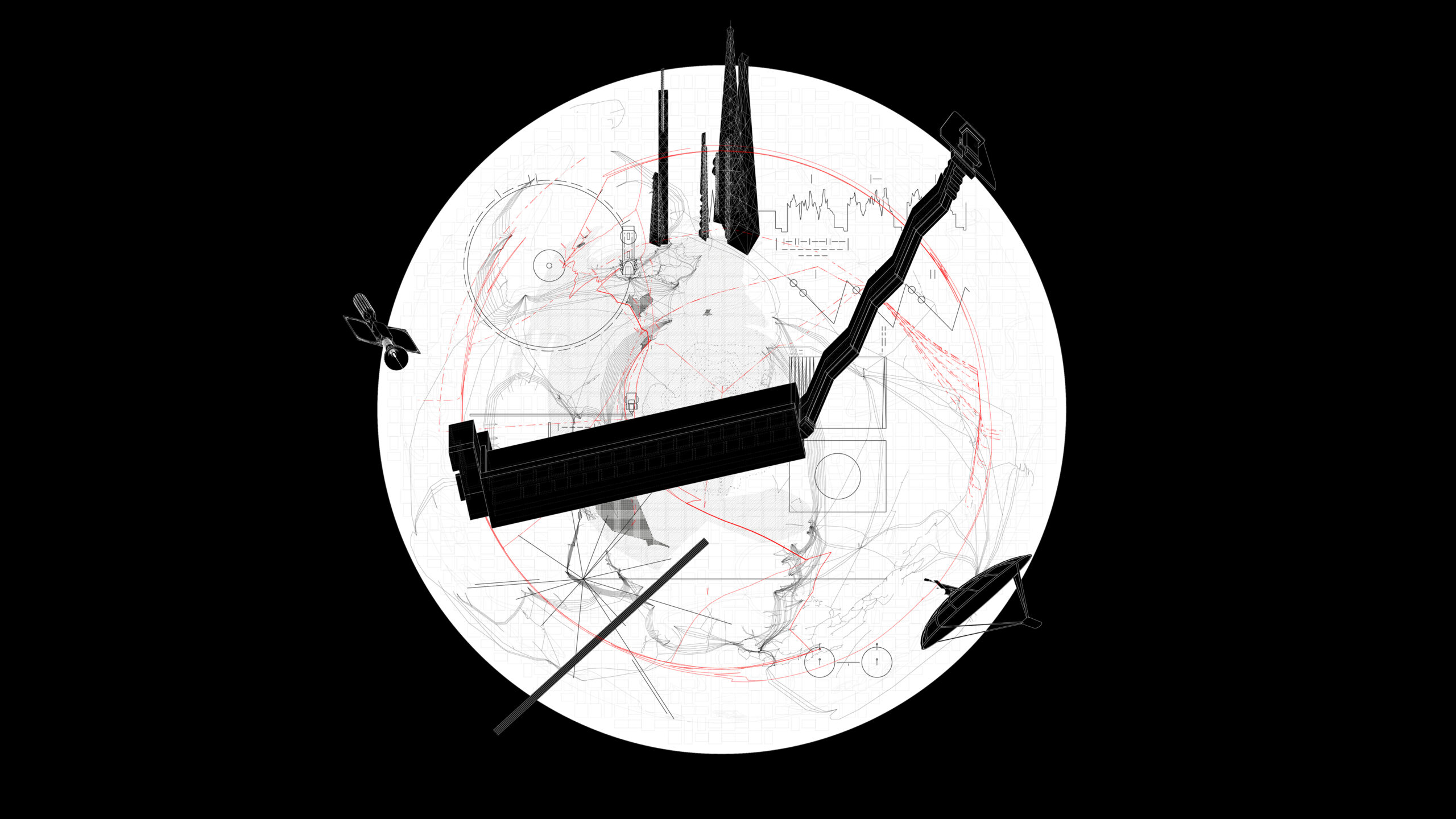
In light of this, two aspects of the strategic constellation seem to appear most relevant while dichotomatic. The extensive communications network comprises a condition of hyper-connectivity, rendering Ancon Hill, Corozal and Utivé as vital nodes within an array of global communication systems. Simultaneously, the former SOUTHCOM bunker on Ancon Hill maintains the Cold War era logic of hyper-security and protection, shielded by hard rock, steel and concrete, designed to produce and sustain a vital degree of self-sufficiency and isolation may the need arise – something now seemingly as relevant as ever.
At the same time, while the digitalisation of our media has brought our information production, storage and exchange capabilities to previously inconceivable levels of sophistication and proliferation, it has simultaneously rendered them as vulnerable as they have ever been, as technological complexity goes hand in hand with susceptibility to disturbance. Furthermore, as our sphere of cultural production has become increasingly global and decentralised, with the Internet becoming a vital cultural commons of planetary scale, the very same decentralisation inhibits a comprehensive approach to its security and preservation. Ultimately it produces a situation whereby vast amounts of digital data which support an integral part of contemporary human knowledges can potentially be wiped out by some form of cataclysm with limited available options to preserve or recover them.
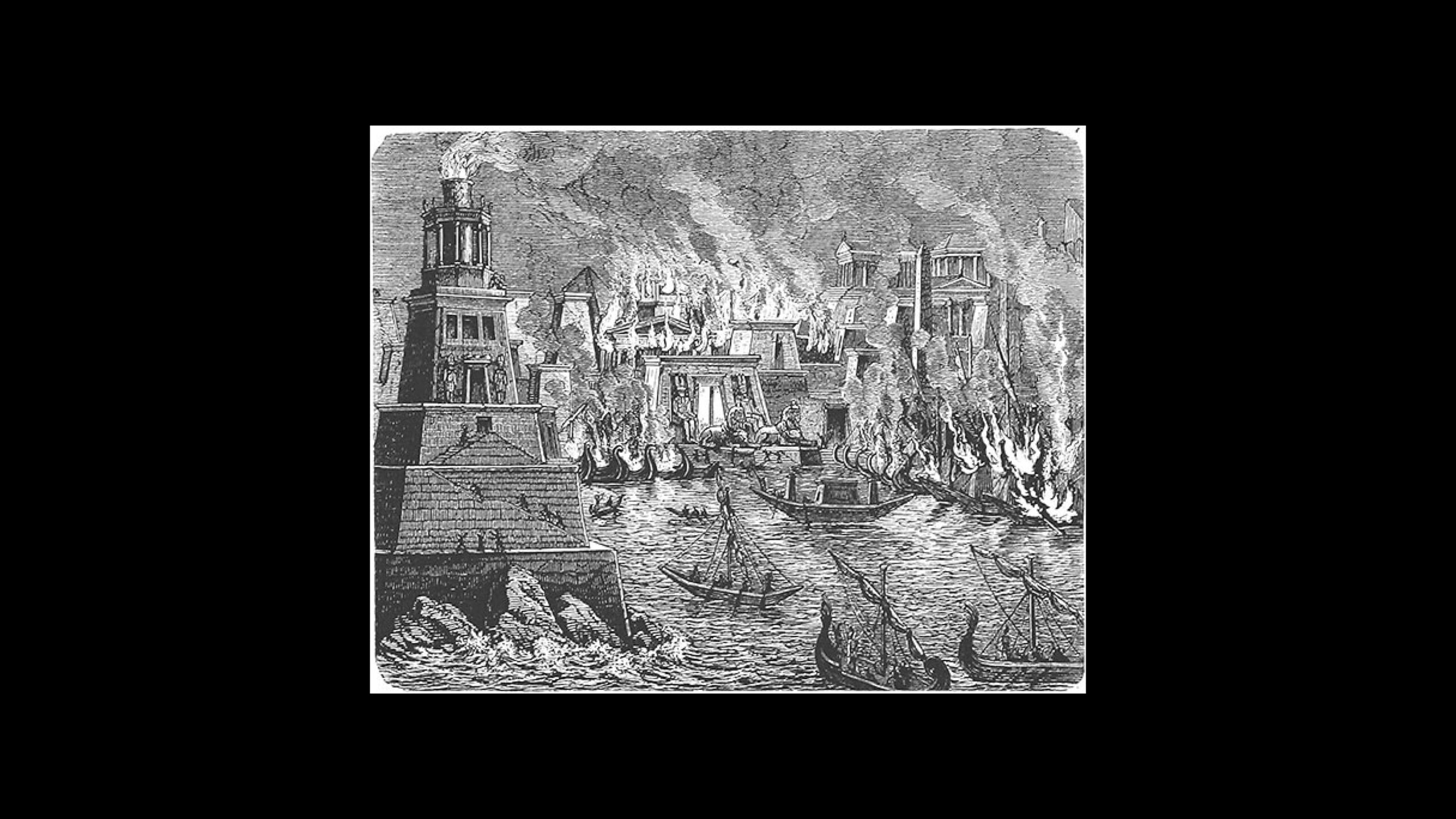
Grafting oneself onto the dialectic of conditions described above, the proposition is thus to develop a secure and comprehensive contemporary archive for digital data that would tap into the trans-scalarities of the given infrastructures, while being critically embedded into material conditions on the ground.